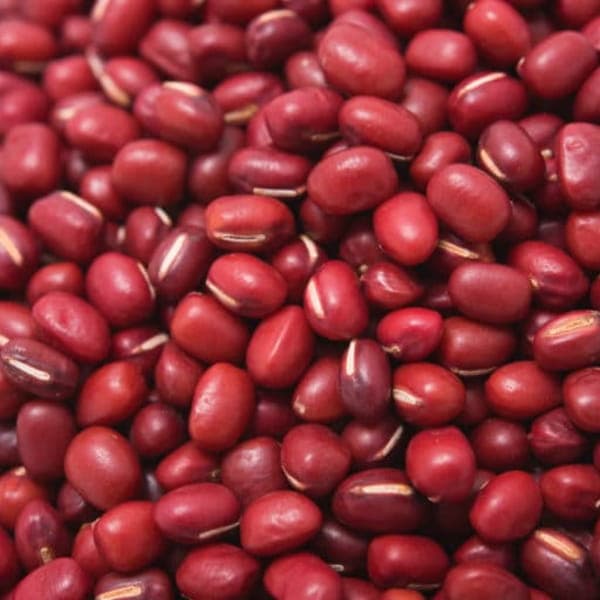
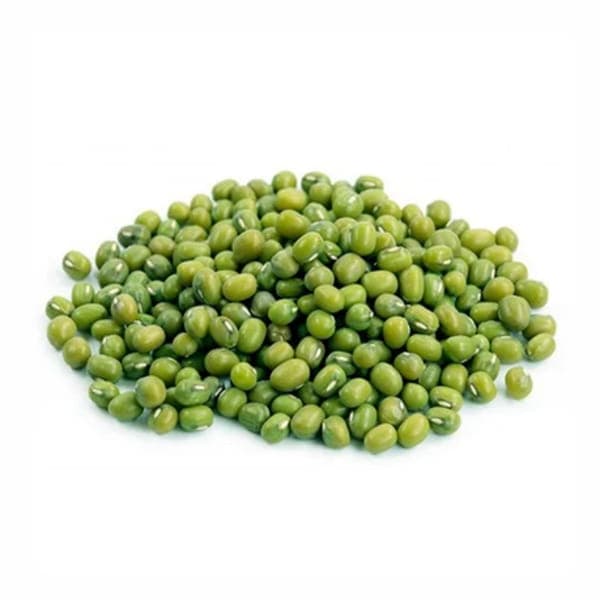
Dried Mung Beans have the scientific name Vigna radiata and belong to the Fabaceae family. They are mung beans that have been harvested and dried for storage and are widely cultivated in Vietnam and other Asian countries. The beans are small, round to slightly oval, with a naturally green outer seed coat and a pale-yellow kernel.
Characteristic Features
The beans are small, round to slightly oval, and relatively uniform in size. Depending on the raw-material specification, the beans may remain whole with the seed coat or may have undergone preliminary processing, according to the supplied product specification.
The beans should have an appropriate moisture level, a clean surface, and no abnormal moisture or clumping. Excessive broken beans, discoloration, and foreign matter should be limited.
Good-quality beans should be firm and dry, with no signs of insect infestation, mold, or deterioration. The color and aroma should be characteristic of mung beans, without rancid or musty odors.
The raw material is acceptable when the beans are clean and dry, with no insects, mold, foreign matter, or abnormal changes in color or odor.
Flavor & Texture
Dried Mung Beans have a mild characteristic legume aroma, a naturally nutty flavor, and a slightly sweet taste. After soaking and cooking, the beans absorb water and become soft, tender, and easy to mash.
Uses and Applications
Dried Mung Beans are used to prepare sweet soups, porridge, soups, sticky rice dishes, and various traditional foods. The beans can be soaked and cooked for direct use or mashed and blended to make fillings for cakes and other mung bean-based products.
They can also be used to produce bean sprouts, mung bean flour, or as an ingredient in various processed food products.
Nutritionally, mung beans provide plant-based protein, carbohydrates, dietary fiber, B-group vitamins, and minerals such as iron, magnesium, and potassium.