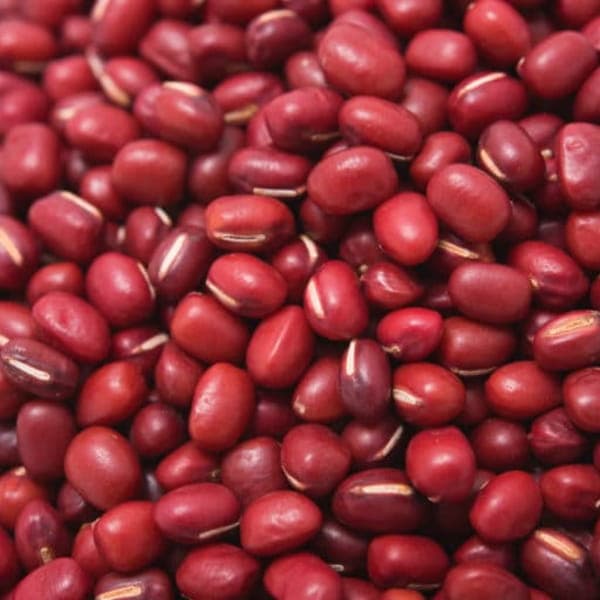

Dried Red Lentils (Lens culinaris) belong to the legume family (Fabaceae). They are small, flat seeds that are commonly dehulled and dried for storage. The seeds have a characteristic orange-red to pinkish-red color and a relatively smooth surface. When cooked, they soften quickly, break down easily, and naturally create a thick consistency. Dried red lentils have a mildly nutty and naturally slightly sweet flavor and are commonly used in soups, porridge, stews, and dishes containing plant-based protein.
Characteristic features
The seeds are small, round and flat or disc-shaped, and are commonly dehulled, resulting in a relatively smooth surface with a flat shape on both sides.
The characteristic color ranges from orange-red, pinkish-red to pale orange and is relatively uniform among the seeds. The seeds may become slightly lighter during storage, but should not show abnormal discoloration, black spots, or signs of mold.
In the dry state, the seeds are hard, loose, and free-flowing, without sticking or clumping. The seeds should be relatively uniform in size and free from excessive broken pieces, impurities, or foreign matter.
Acceptable raw material must be dry and clean, without signs of moisture absorption, mold, insects, or infestation. The seeds must be free from musty, fermented, rancid, or other abnormal odors.
When cooked, red lentils soften quickly and break down more easily than many other whole legumes, forming a soft, thick, or almost pureed consistency depending on the cooking time and preparation method.
Taste & Texture
When cooked, dried red lentils have a mildly nutty flavor, a naturally slight sweetness, and the characteristic aroma of legumes. The flavor is relatively mild and combines easily with vegetables, grains, and various seasonings during preparation.
The cooked texture is soft, smooth, and easy to break down. The seeds may retain part of their structure when cooked for a shorter period or become thick and nearly pureed when cooked for a longer period.
Good-quality raw material should not have a bitter, astringent, or abnormal sour taste, or rancid or fermented odors after cooking.
Applications & Uses
Used as an ingredient in soups, porridge, stews, and dishes requiring natural thickening.
Suitable for vegetarian dishes, plant-based protein dishes, and meals combining legumes with vegetables and grains.
Can be cooked and then mashed or pureed for use in dishes requiring a soft and smooth texture.
Can be combined with carrots, potatoes, pumpkin, onions, garlic, and various seasonings to prepare lentil-based soups or stews.
Nutritionally, red lentils provide plant-based protein, dietary fiber, iron, folate, and complex carbohydrates; nutritional values may vary depending on the variety, growing conditions, and preparation method.