_600x600.bmp&w=3840&q=75)
Fresh Black Bean Seeds belong to the Fabaceae family. They are black bean seeds harvested in a fresh state after reaching a relatively full stage of development, before undergoing drying. The seeds have a naturally black seed coat, while the inner seed is generally cream-white, with higher moisture content and a softer texture than dried black beans.
Characteristic Features
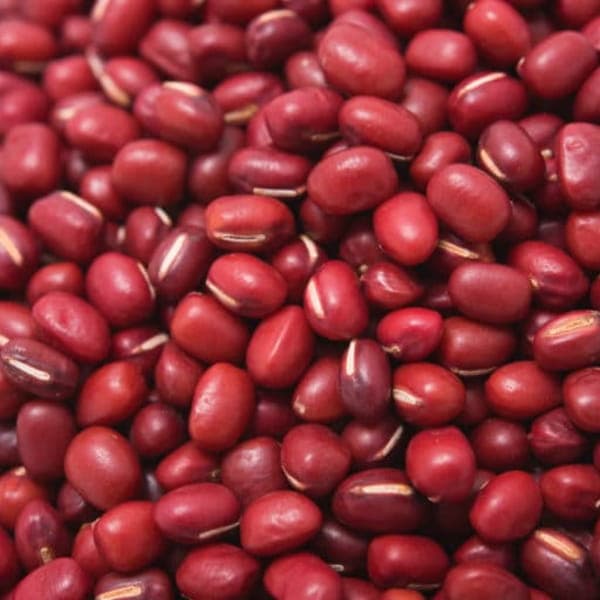
The seeds are small to medium in size, oval to slightly elongated, with relatively rounded ends and a plump, firm appearance. Fresh seeds have higher moisture content and greater weight than dried seeds.
The seed coat ranges from deep black to slightly purplish-black, with a smooth, taut surface and sometimes a natural gloss. The hilum is usually white, light gray, or light brown, creating a distinctive contrast against the dark seed coat.
The inner seed is cream-white to off-white, soft and naturally moist. Acceptable raw material should be fresh, plump, firm, naturally colored, and free from shriveling, bruising, sliminess, mold, decay, or abnormal odors.
Flavor & Texture
The seeds have a mild characteristic bean aroma with a naturally nutty and slightly sweet flavor. Compared with dried black beans, fresh seeds are softer and more moist. After cooking, they become tender and moderately creamy, with a distinct nutty flavor.
Uses and Applications
Fresh black bean seeds can be boiled or cooked for use in soups, stews, and other bean-based food preparations.
After cooking, the seeds can be mashed or blended for use in cake fillings, sweet preparations, or combined with other ingredients during food processing.
Nutritionally, fresh black bean seeds provide plant-based protein, carbohydrates, dietary fiber, and minerals such as iron, magnesium, and potassium.