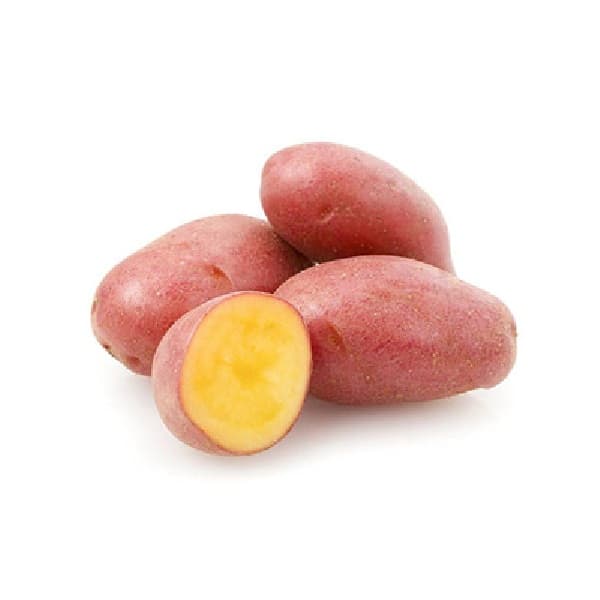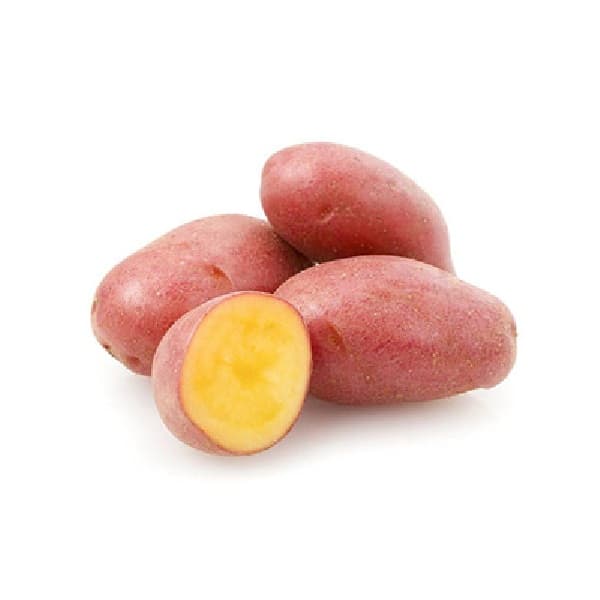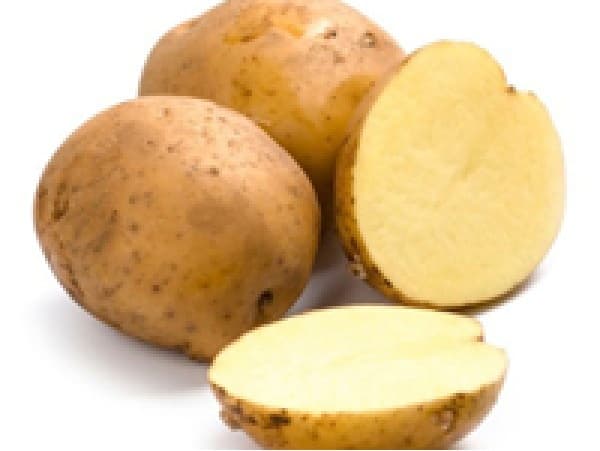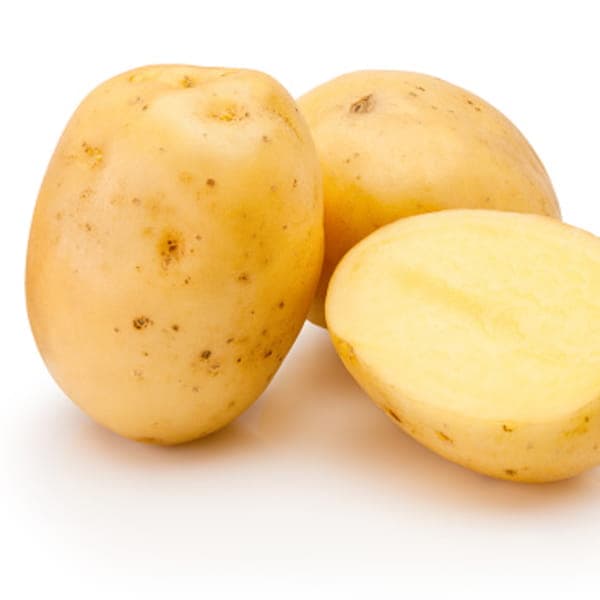

Greater Yam is the tuber of the greater yam plant (Dioscorea alata), belonging to the Dioscoreaceae family. Greater yam is widely cultivated in tropical and subtropical regions, including Vietnam. It is commonly used in food preparation for its soft, slightly sticky texture, natural mucilage, and mild sweetness.
Characteristic Features
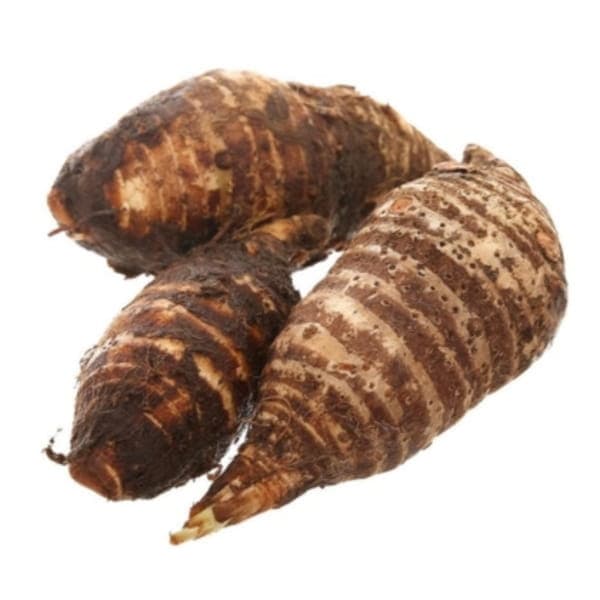
The tubers are long, tapered, or cylindrical, with size and shape varying depending on the variety and growing conditions.
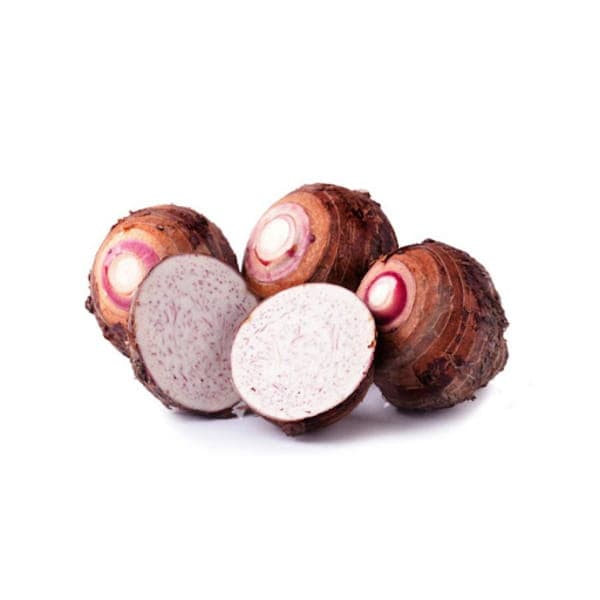
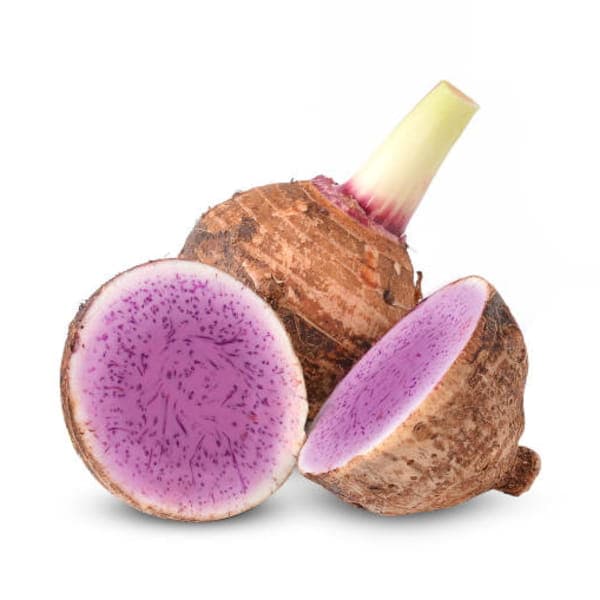
The skin ranges from gray-brown and dark brown to purplish brown, with a relatively rough surface and small natural roots.
The flesh ranges from off-white and creamy white to slightly pale purple depending on the variety.
Fresh yam flesh is firm and contains natural mucilage, which can produce a slightly sticky texture when cut or mashed.
Good-quality tubers should be clean and intact, without bruising, excessive softness, decay, or visible mold.
Flavor & Texture
Greater yam has a mild aroma, natural sweetness, and a slightly nutty flavor. When cooked, the flesh becomes soft, smooth, and slightly sticky with a characteristic mucilaginous texture. When mashed or cooked for a longer period, it can develop a thicker and creamier consistency.
Uses and Applications
Boiled or steamed for direct consumption.
Used in greater yam soups combined with meat, shrimp, or fish.
Used in porridge, soups, and stews.
Mashed or blended to provide thickness and body to dishes.
Used in sweet soups, cakes, and desserts.
Used as a filling or combined with other ingredients in food products.
Can be sliced, dried, or processed into greater yam powder.
Nutritionally, greater yam provides carbohydrates, starch, dietary fiber, potassium, vitamin C, and some B vitamins, while its natural mucilage contributes to the characteristic texture of the tuber.