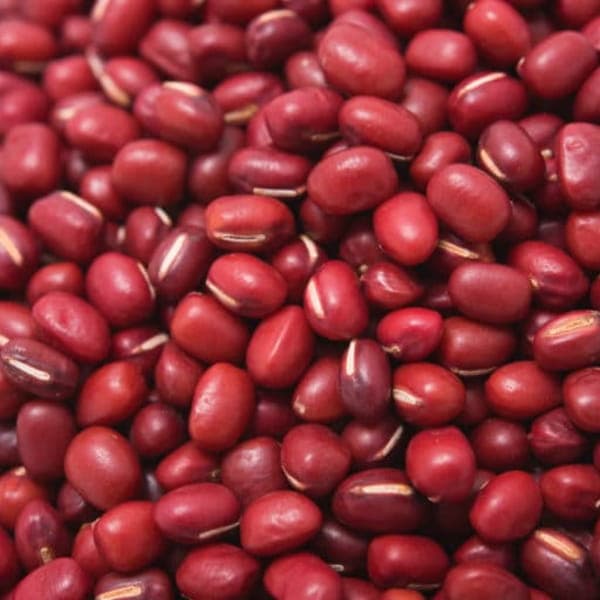

Fresh White-Skinned Peanuts (Arachis hypogaea) belong to the legume family (Fabaceae). They are peanuts harvested while still fresh, retaining their white to pale pink seed coat surrounding the kernels. The kernels are usually oval or slightly elongated, small to medium in size, with a creamy-white color, natural moisture, and a firm texture. Fresh white-skinned peanuts have a nutty, mildly rich, naturally slightly sweet flavor and the characteristic aroma of fresh peanuts.
Characteristic features
The kernels are oval or slightly elongated, small to medium in size, and are usually covered by a thin seed coat and may consist of two cotyledons.
The seed coat ranges from ivory white, creamy white to pale pink depending on the variety and freshness. The surface should be relatively dry and intact, without darkened areas, unusual spots, or signs of mold.
The kernels are creamy-white to pale yellow, firm, naturally moist, and not excessively dry or hard. Acceptable raw material should be relatively intact and free from bruising, excessive softness, leakage, or signs of spoilage.
The kernels must be clean and fresh, free from insects, infestation, or abnormal foreign matter. They must be free from sour, fermented, rancid-oil, musty, or other abnormal odors.
Taste & Texture
Fresh white-skinned peanuts have a nutty, mildly rich, and naturally slightly sweet flavor, with a mild characteristic aroma of fresh peanuts.
The kernels are firm, naturally moist, and slightly softer than dried peanuts. When boiled or steamed, they become soft, nutty, and slightly chewy.
Good-quality raw material should not have bitter, sour, or burnt flavors, or abnormal rancid-oil, musty, or fermented odors.
Applications & Uses
Used as an ingredient for boiling, steaming, or other preparations using fresh peanuts.
Suitable for salads, vegetable dishes, and other dishes requiring natural nuttiness and richness.
Can be roasted or heat-treated before use to develop the characteristic aroma and crisp texture of peanuts.
Can be used as an ingredient for peanut milk, sauces, peanut butter, and certain dishes or desserts.
Nutritionally, peanuts provide plant-based protein, unsaturated fats, dietary fiber, vitamin E, magnesium, and other minerals; nutritional values may vary depending on the variety, freshness, and preparation method.