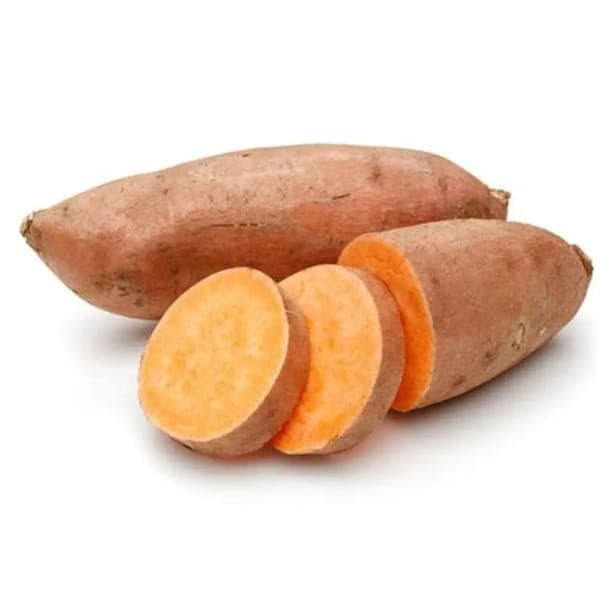
Honey Sweet Potato is the tuber of the sweet potato plant (Ipomoea batatas), belonging to the Convolvulaceae family. Honey sweet potatoes are widely cultivated in many regions of Vietnam, particularly in areas with suitable soil and climatic conditions. They are valued for their soft, moist texture, natural sweetness, and characteristic aroma after cooking.
Characteristic Features
The tuber is cylindrical or elongated, with slightly tapered ends. Its size and shape may vary depending on the variety and growing conditions.
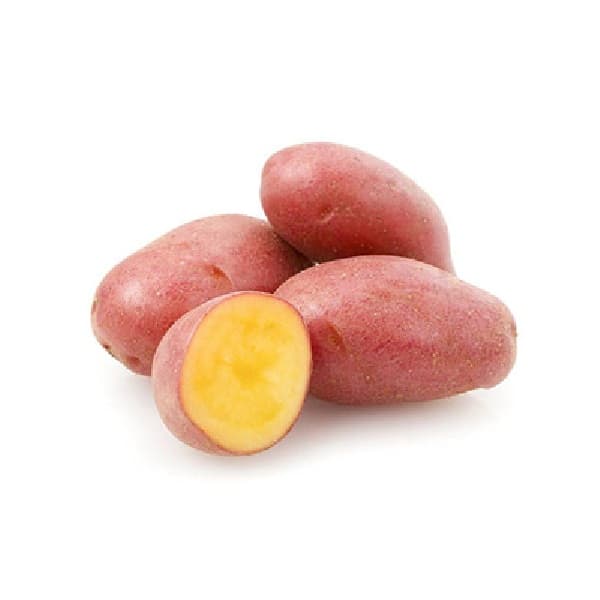
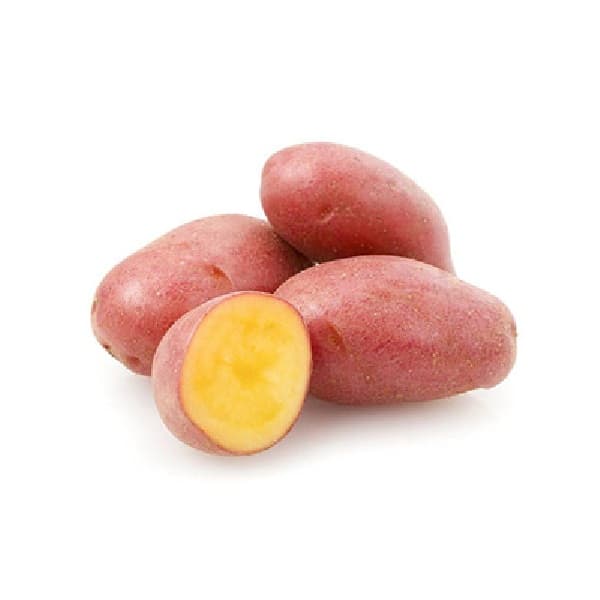
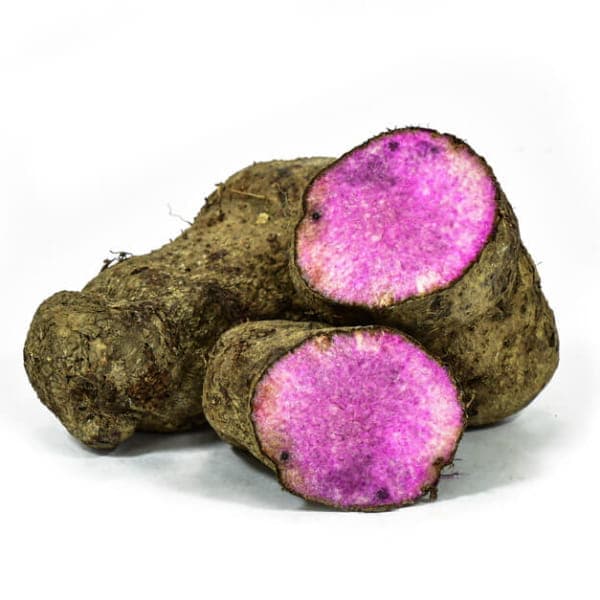
The skin ranges from reddish brown and purplish brown to yellowish brown, with a relatively smooth surface and natural eyes.
The raw flesh ranges from creamy yellow to yellow-orange and generally becomes deeper yellow-orange after cooking.
The tuber is moderately firm when raw and should be free from bruising, excessive softness, decay, or visible mold.
When roasted or steamed, the flesh becomes soft, moist, sticky, and naturally sweet, creating the characteristic “honey” texture of this variety.
Flavor & Texture
Honey sweet potato has a natural aroma and a pronounced sweetness that becomes richer after roasting or steaming. The cooked flesh is soft, moist, tender, and slightly sticky. Sweetness and texture may vary depending on the variety, maturity, and cooking method.
Uses and Applications
Boiled or steamed for direct consumption.
Roasted whole or cut into pieces.
Used as an ingredient in sweet soups, cakes, and desserts.
Used as a filling for pastries and sweet baked products or combined with nuts and other ingredients.
Used to prepare mashed sweet potato, dried sweet potato, and snack products.
Can be sliced, dried, or processed into sweet potato powder for use in food products.
Nutritionally, honey sweet potato provides carbohydrates, dietary fiber, potassium, vitamin C, vitamin B6, and natural carotenoid compounds, depending on the variety and flesh color.