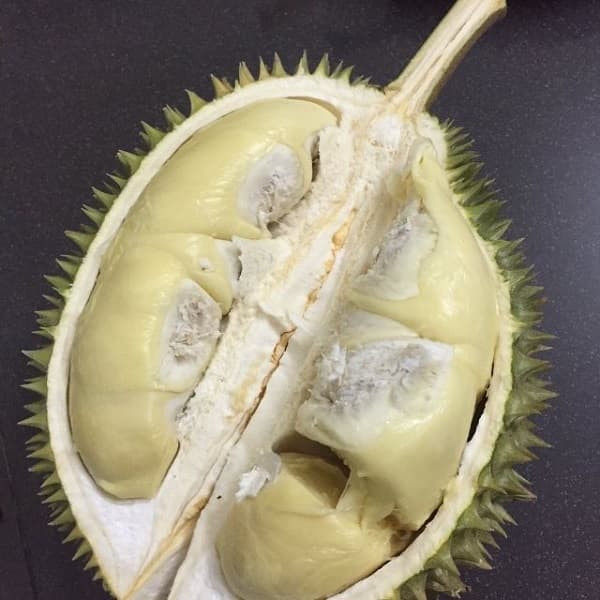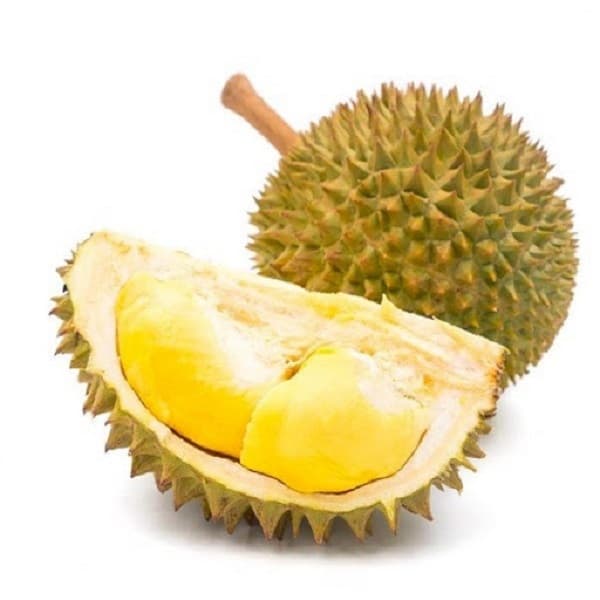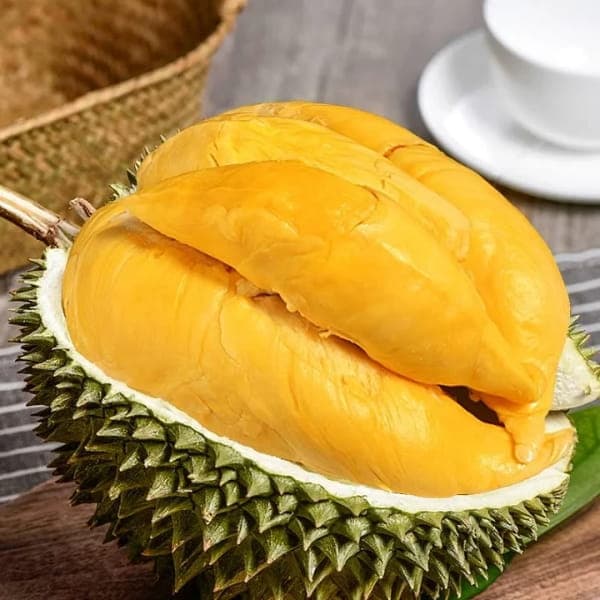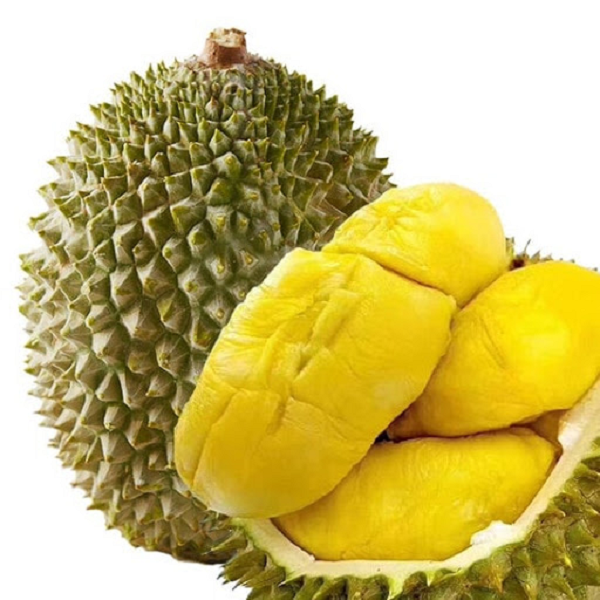

Malay Cempedak is generally classified within the genus Artocarpus and belongs to the Moraceae family. It is a tropical fruit group originating from and widely cultivated in Southeast Asia. The fruit is elongated, with green to greenish-yellow skin and orange-yellow edible bulbs that are soft, highly aromatic and distinctly sweet.
Characteristic Features
The fruit is small to medium in size and generally elongated or slightly oval. Its surface is covered with numerous short, relatively soft spines that form characteristic fruit segments.
The skin is green when immature and gradually changes to greenish-yellow or yellowish-brown as the fruit reaches maturity. The surface may be slightly textured, and the soft spines tend to become more open as the fruit ripens.
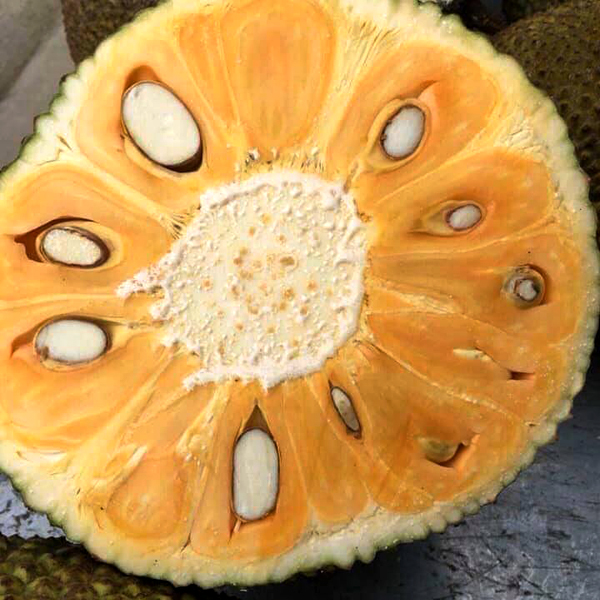
The edible bulbs are yellow-orange to orange, soft and thick, and adhere relatively firmly around the seeds. They generally contain more soft fibers than some common jackfruit types and have a strong characteristic aroma associated with cempedak.
Fruit at suitable maturity should have well-developed edible bulbs with characteristic color and should be free from excessive softness, liquid leakage or fermentation. The flesh should show no signs of mold or abnormal discoloration.
Acceptable raw material should be fresh and intact, without bruising, decay, mold or abnormal odors. The edible bulbs should not be excessively dry, mushy or abnormally discolored.
Flavor & Texture
The edible bulbs are soft, thick and moderately juicy, generally softer than varieties known for crisp flesh. They have a rich sweet flavor and a strong characteristic aroma, which may have light caramel-like or vanilla-like notes depending on maturity. Good-quality fruit should not have an abnormal sour or bitter taste or a fermented odor.
Uses and Applications
Used for fresh consumption after separating the edible bulbs and removing the seeds and unwanted fibrous material.
Can be used in ready-to-eat fruit portions, fruit salads and desserts.
Can also be used to prepare smoothies, ice cream, sweet soups and other fruit-based products.
Nutritionally, cempedak provides natural carbohydrates, dietary fiber, vitamin C, potassium and various vitamins and minerals; nutritional value varies according to variety and maturity.