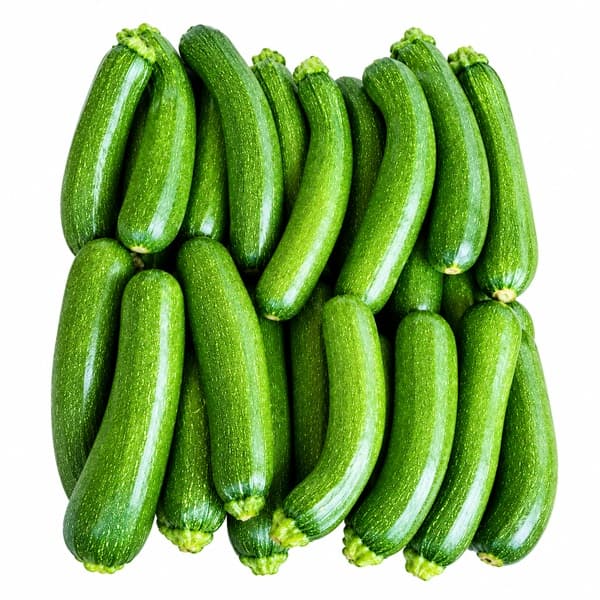

Chayote is the edible fruit of the chayote plant (Sechium edule), belonging to the gourd family (Cucurbitaceae). Chayote originated in Central America and is now widely cultivated in tropical and subtropical regions. In Vietnam, it is commonly grown in cooler areas and widely used in vegetable dishes.
Characteristic Features
The fruit is generally pear-shaped, oval, or rounded, with a natural longitudinal groove.
The skin ranges from light green to dark green and is generally smooth, with some varieties having natural folds or small spines.
The flesh is pale green to whitish-green, juicy, and contains a single flat, pale-colored seed.
Fresh chayote is moderately firm, clean, and intact, without bruising, waterlogging, decay, or abnormal discoloration.
The skin and seed may be retained or removed during preparation depending on the dish and processing requirements.
Flavor & Texture
Chayote has a mild vegetal aroma, fresh and delicate flavor, and subtle natural sweetness. The flesh is juicy and slightly crisp when fresh and becomes tender while retaining some light crispness after cooking. It readily absorbs seasonings and cooking sauces.
Uses and Applications
Stir-fried with garlic, beef, pork, shrimp, or other seafood.
Used in soups, broths, and vegetable dishes.
Boiled or steamed and served with dipping sauces.
Used in stews and mixed vegetable preparations.
Sliced or shredded for salads and fresh vegetable mixes.
Combined with mushrooms, tofu, and other vegetables in vegetarian and plant-based dishes.
The young shoots and leaves of the chayote plant may also be used as leafy vegetables.
Nutritionally, chayote provides water, dietary fiber, vitamin C, folate, potassium, and other vitamins and minerals, while naturally containing very little fat.