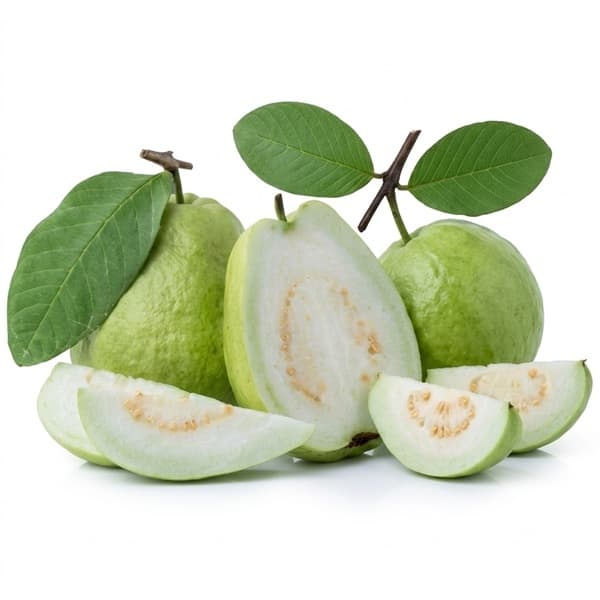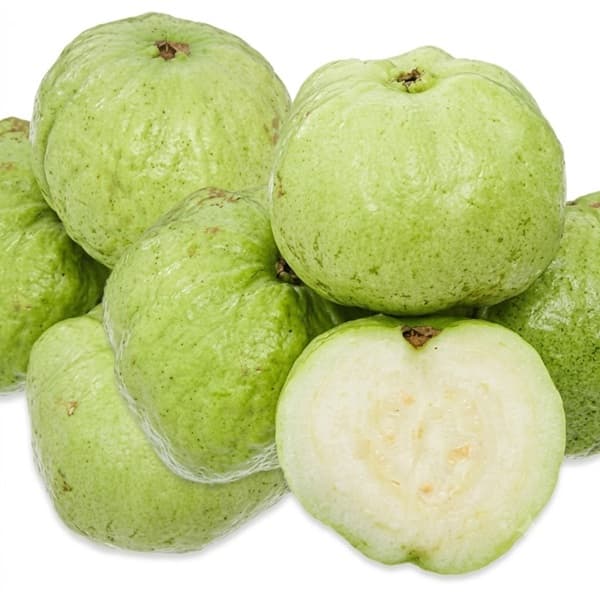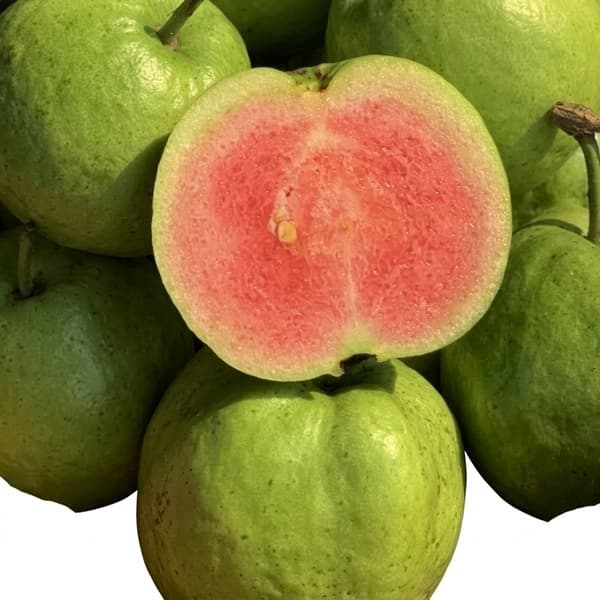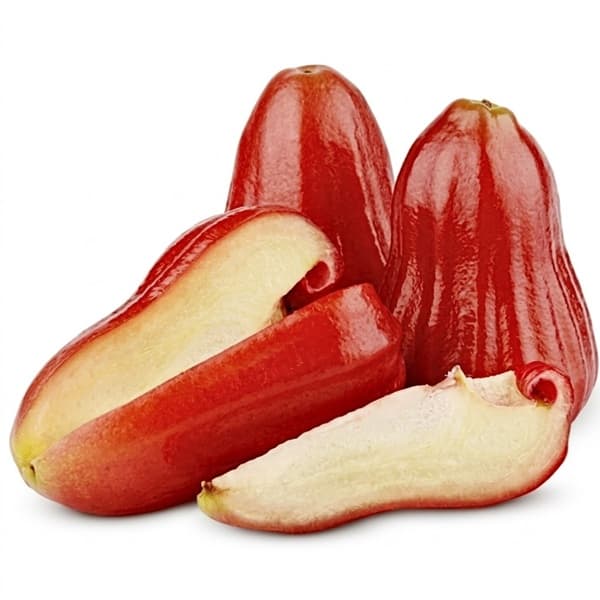
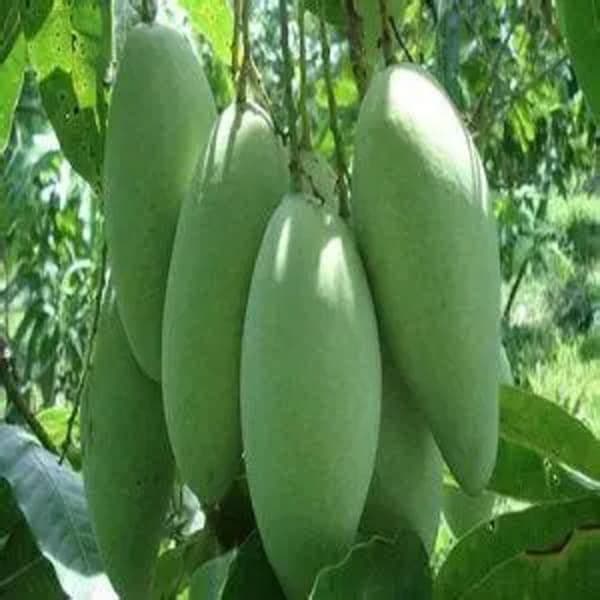
Elephant Mango is a large-fruited mango type belonging to the species Mangifera indica, family Anacardiaceae. It is commonly used at the green stage because of its thick, firm, and crisp flesh. The fruit is widely used in salads, savory fruit salads, and other preparations made with green mango.
Characteristic Features
The fruit is large, elongated or slightly oval, with a broad and well-developed shoulder.
The skin is green when unripe and relatively smooth; as the fruit ripens, it may change to greenish-yellow or yellow depending on maturity.
The flesh is pale yellow to yellow-orange when ripe, relatively thick, with a fairly large seed.
The unripe fruit has firm, crisp flesh with a characteristic sour flavor.
Acceptable raw material should be fresh, firm, intact, free from bruising, decay, mold, excessive moisture, or abnormal odors.
Flavor & Texture
Green Elephant Mango has a refreshing sour taste with slight sweetness, a mild fruity aroma, and firm, crisp flesh. When ripe, the fruit becomes sweeter and more aromatic, with softer and juicier flesh.
Uses and Applications
Used in green mango salads and mixed dishes.
Consumed fresh when ripe.
Used for seasoned green mango, pickled mango, and other green mango preparations.
Used to prepare juices, smoothies, and fruit-based beverages.
Used in desserts and fruit-based dishes.
The fruit can be peeled and sliced, julienned, cut into pieces, or diced according to processing requirements.
Nutritionally, mango provides vitamin C, vitamin A, folate, dietary fiber, and natural plant compounds such as carotenoids and polyphenols.