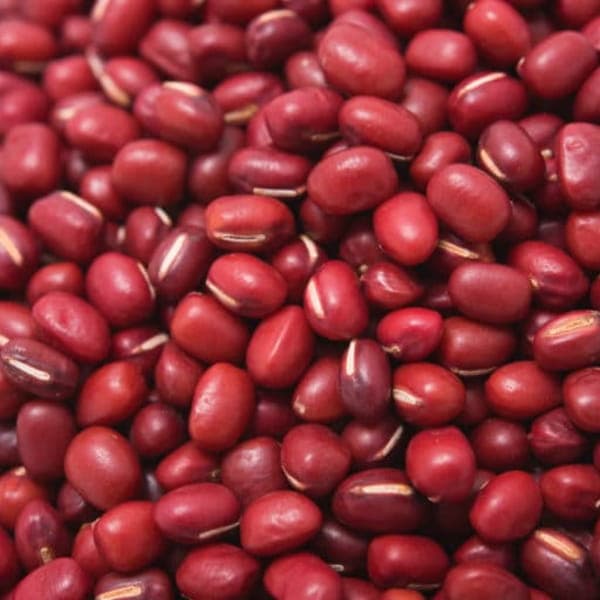

Fresh Red Lentils are the fresh seeds of the lentil plant (Lens culinaris Medik.), belonging to the Fabaceae family. The seeds are small, flat, and round in shape, with colors ranging from orange-red to pinkish-red. They have a smooth surface and naturally higher moisture content than dried lentils. Lentils originated in West Asia and are now cultivated in various temperate and semi-arid regions.
Characteristic Features
Fresh red lentils are small, flat, round seeds with relatively uniform size. The seed coat is thin and may range from orange-red and pinkish-red to reddish-brown depending on maturity. The inner seed is yellow-orange to pale yellow, firm, plump, and naturally moist.
Acceptable raw material should be fresh, intact, clean, and free from excessive shriveling, cracking, softening, fermentation, mold, or abnormal odor.
Flavor & Texture
Fresh red lentils have a mild characteristic legume aroma with a nutty and slightly naturally sweet flavor. The fresh seeds are softer and more moist than dried lentils. When cooked, they soften quickly and develop a smooth, tender texture that can be easily mashed.
Uses and Applications
Fresh red lentils are used in soups, porridge, stews, purees, and other legume-based preparations. The seeds can be washed and used directly or further prepared according to processing requirements.
Red lentils soften relatively quickly during cooking, making them suitable for preparations requiring a thickened or smooth texture. They can be combined with vegetables, grains, and other ingredients during cooking.
Nutritionally, red lentils provide plant-based protein, carbohydrates, dietary fiber, folate, iron, potassium, magnesium, and several B-group vitamins.