
Dried Black Beans are mature legume seeds with a naturally black seed coat. The beans are harvested when fully mature and then dried to reduce moisture, improve storage stability, and facilitate processing. Black beans are widely cultivated in tropical and subtropical regions, including Vietnam.
Characteristic Features
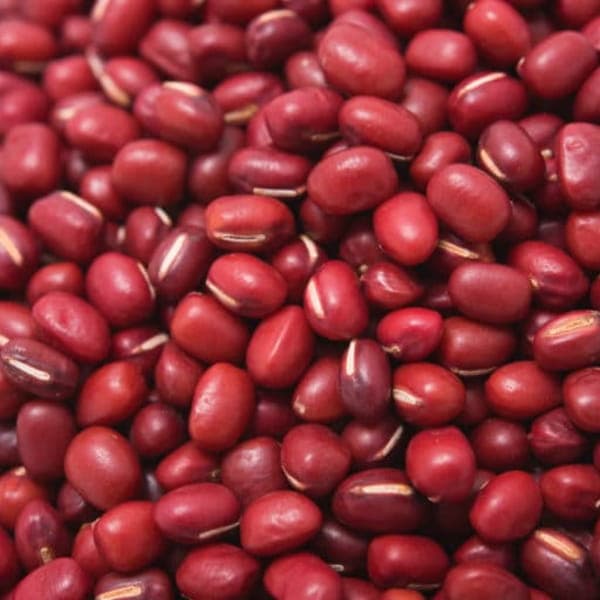
The seeds are small to medium in size, oval to slightly elongated, with relatively rounded ends. They are firm, compact, and generally uniform in size. In the dried state, the seeds are hard and have low moisture content.
The seed coat ranges from deep black to slightly purplish-black, with a relatively smooth surface and sometimes a slight natural gloss. Some seeds have a small white or light-gray hilum that contrasts with the dark seed coat.
The inner seed is generally cream-white to off-white. Acceptable raw material should be dry, clean, intact, and relatively uniform, with no signs of insect infestation, mold, abnormal discoloration, foreign odors, excessive moisture, or clumping.
Flavor & Texture
Dried black beans have a mild characteristic legume aroma with a naturally nutty and slightly sweet flavor. The dried seeds are hard and firm; after soaking and cooking, they become soft and moderately tender while generally retaining their shape, with a characteristic creamy and nutty texture.
Uses and Applications
Dried black beans are soaked and cooked for use in black bean sweet soup, soups, porridge, stews, and traditional food preparations.
After cooking, the beans can be mashed or blended for use as fillings in cakes, sweet bean products, or in combination with other ingredients during food processing.
Nutritionally, dried black beans provide plant-based protein, carbohydrates, dietary fiber, and minerals such as iron, magnesium, and potassium.



_600x600.bmp&w=3840&q=75)