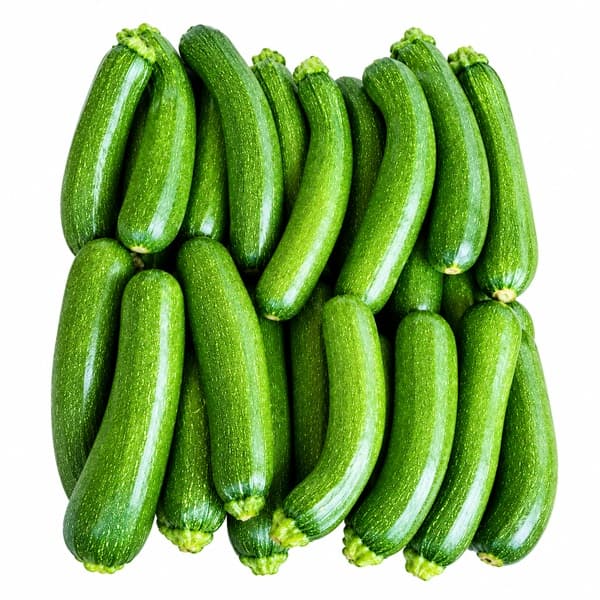

Fragrant Luffa is a fruiting vegetable belonging to the Cucurbitaceae family. It is widely cultivated in Vietnam and many tropical regions. The fruit is elongated, with green skin and distinctive longitudinal ridges. It develops a naturally fragrant aroma when cooked, with soft, juicy flesh and a mild natural sweetness.
Distinctive Characteristics
The fruit is elongated and cylindrical, with relatively tapered ends. Size varies depending on the variety and growing conditions.
The skin ranges from light green to dark green, with prominent longitudinal ridges and sometimes a light natural bloom when the fruit is young.
The flesh ranges from pale green to creamy white, soft and rich in moisture. Seeds are located in the central cavity and are generally soft when the fruit is young.
Good-quality fruits are generally straight and moderately firm, with fresh skin and green stems, and show no signs of bruising, dark discoloration, softness, pest damage, or mold.
The fruits are generally harvested when young to moderately mature to maintain their tenderness, juiciness, and characteristic aroma.
Flavor & Texture
Fragrant Luffa has a distinctive natural aroma, mild sweetness, and a delicate flavor. The flesh is soft, juicy, and slightly tender when young. When cooked, it becomes softer, releases natural juices, and readily absorbs the flavors of broths, seasonings, and accompanying ingredients.
Uses & Applications
Soups: combined with shrimp, minced meat, crab, clams, or other ingredients.
Stir-frying: cooked with garlic, meat, eggs, seafood, or other vegetables.
Hot pot: used with vegetables, mushrooms, meat, and seafood.
Steaming: steamed with meat, seafood, or seasonings to retain its natural sweetness.
Broth-based dishes: used in soups and other dishes where a light, refreshing flavor is desired.
Vegetarian dishes: combined with mushrooms, tofu, and other vegetables.
Preparation: can be peeled and sliced or cut into sections depending on the intended use.
Nutritionally, Fragrant Luffa provides water, dietary fiber, vitamin C, some B vitamins, potassium, and various natural plant compounds. Nutritional composition may vary depending on the variety, growing conditions, season, and maturity.