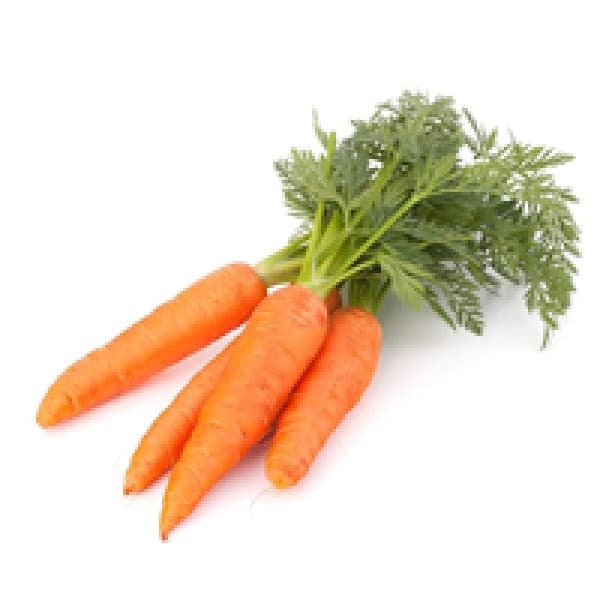
Orange carrots are not the original color of this root vegetable, but rather the result of genetic mutation in Europe between the 14th and 17th centuries.
Today, it has become the most popular type of carrot worldwide.
1. Historical Origins of Orange Carrots:
- Original Purple and Yellow Ancestors: Wild carrots originated in Afghanistan and Persia about 5,000 years ago. At that time, carrots were not orange at all, but only dark purple or pale white/yellow.
- Mutation Turning Point: Around the 14th century, yellow carrot varieties in the Mediterranean region underwent a genetic mutation in their pigment structure, gradually turning to a pale orange color.
- The Dutch Agricultural Revolution (16th - 17th Centuries): Dutch farmers (masters of agriculture at the time) discovered these mutated carrots. They actively and selectively crossbred wild carrots, yellow carrots, and red carrots to create the bright orange carrot variety.
- Political and Flavor Factors: The new Dutch orange carrot variety is not only crispier, sweeter, and less bitter than the old purple/yellow variety, but it also thrives in humid weather. In particular, this orange color coincided with the symbolic color of the Royal Orange (Dutch Royal Family) at the time. Therefore, it was mass-produced, exported throughout Europe, and became the world's standard carrot.
2. Biological and Morphological Characteristics:
- Stem and Root: Carrots are herbaceous plants. The part we eat is called the "root," but it is actually the taproot (main root) that swells to store nutrients.
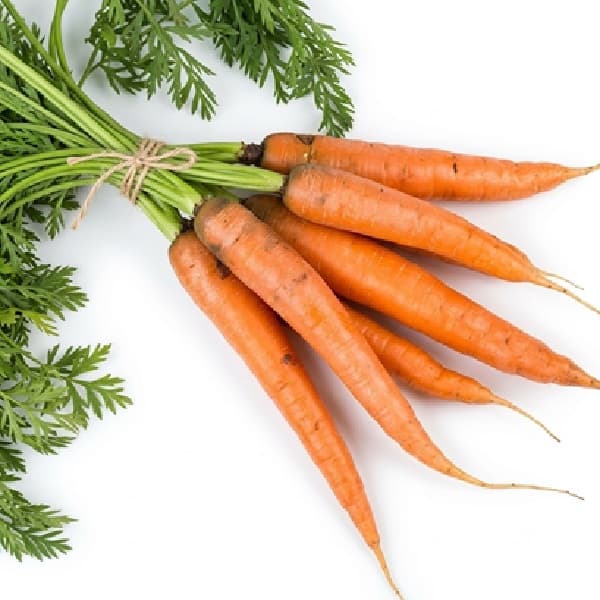
- Leaves: Leaves grow in clusters above the ground. The leaves are finely pinnately lobed like blades of grass, with a strong, characteristic aroma. Size: Depending on the variety (Nantes, Imperator, Chantenay...), the root can range from 10cm to over 25cm in length, with a tapered or cylindrical shape that is blunt at the end.
- Cooking durability: Orange carrots have very firm tissue. Even if you simmer, stew, or bake them for a long time, the root will only soften, not become mushy or crumble like potatoes.
3. Nutritional characteristics and color:
The characteristic orange color of this root vegetable is determined by the following scientific factors:
- Contains a super high amount of Beta-carotene: The orange color comes from the extremely high content of Carotenoid compounds (mainly Alpha-carotene and Beta-carotene). The darker the orange the root, the richer the amount of this substance.
- Converted to Vitamin A: When our bodies absorb beta-carotene, it automatically converts into Vitamin A. This is an essential micronutrient that helps improve vision, protect the retina, and brighten the eyes.
Rich in antioxidants: The carotenoids in orange carrots also act as powerful antioxidants, helping to support the immune system, protect cardiovascular health, and prevent cellular aging.
Contains 4 types of natural sugars: Orange carrots are sweeter than regular carrots because they contain four healthy sugars: glucose, fructose, sucrose, and xylose.
Better to eat cooked than raw: Unlike other vegetables (which often lose nutrients when cooked), cooking orange carrots with a little oil breaks down the tough cell walls, allowing the body to absorb 30%-40% more beta-carotene than when eaten raw.