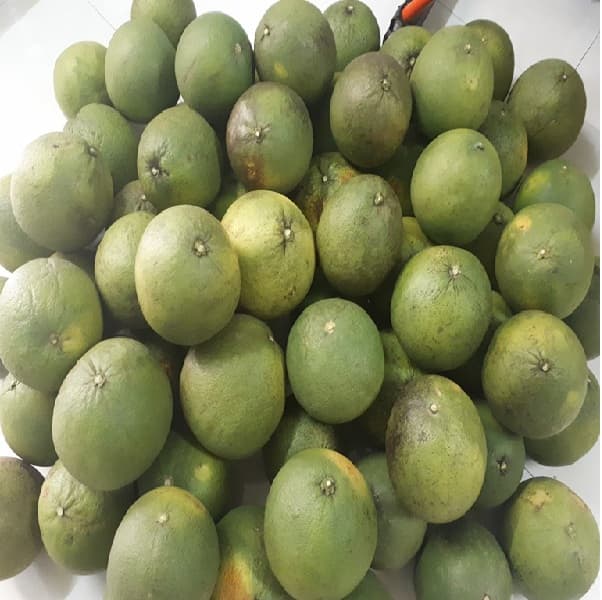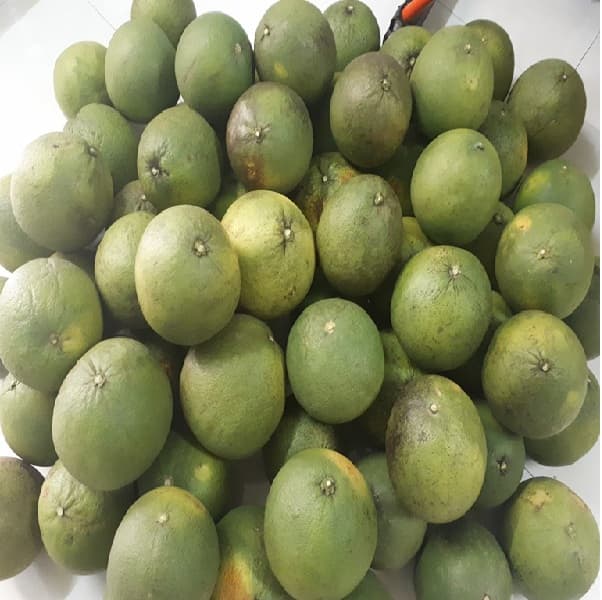
Sweet Mandarin – Southeastern Vietnam is a type of mandarin generally classified within the Citrus genus, belonging to the Rutaceae family. It is widely cultivated in the southeastern region of Vietnam. The fruit is small to medium-sized, with relatively thin skin ranging from green and yellow-green to orange-yellow when ripe. The flesh is juicy, with a naturally sweet and mildly acidic flavor and a distinctive citrus aroma.
Distinctive Characteristics
The fruit is round or slightly flattened, small to medium-sized, and generally relatively lightweight.
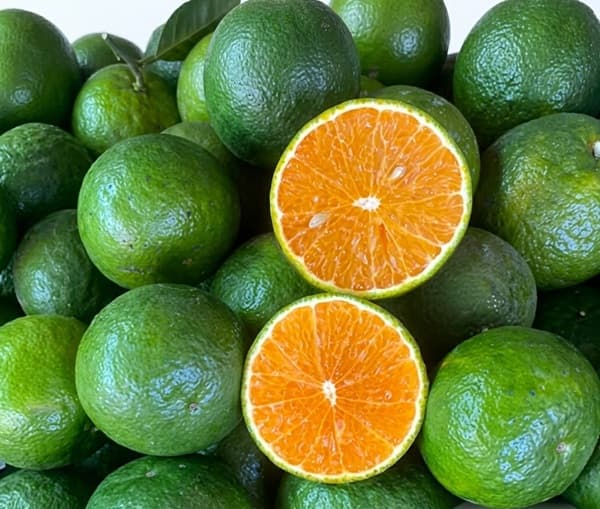
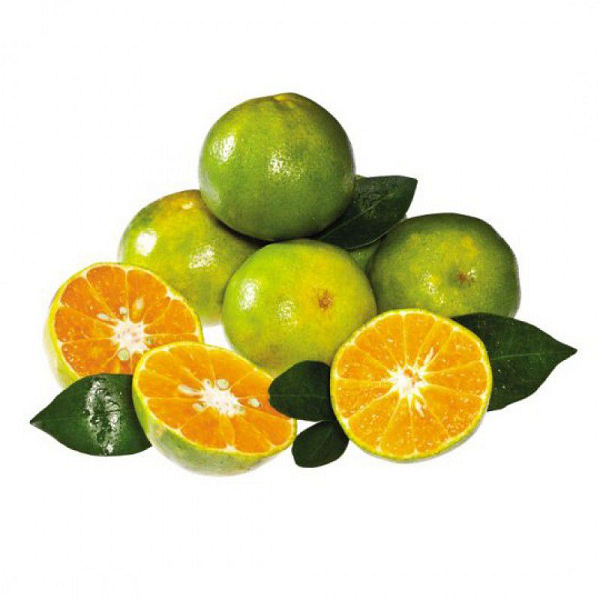
The peel is relatively thin with a slightly rough surface, ranging from green to yellow-green and turning orange-yellow as the fruit matures, depending on growing conditions and harvesting stage.
The flesh consists of multiple small, juicy segments ranging from yellow-orange to light orange. The segments are easy to separate and may contain seeds depending on the variety and cultivation conditions.
Fruit harvested at the appropriate maturity has relatively firm skin without excessive softness, cracking, or juice leakage. The flesh should be juicy, without dried segments or signs of fermentation.
High-quality fruit should be fresh, firm, and intact, without bruising, decay, mold, or abnormal odors. The flesh should not be dry, discolored, or show signs of deterioration.
Flavor & Texture
The segments are soft and juicy with a slightly fibrous texture. The flavor is naturally sweet with low to mild acidity depending on maturity, accompanied by a delicate characteristic citrus aroma. Good-quality fruit should not have a bitter taste, excessive sourness, or abnormal fermented odor.
Uses & Applications
Consumed fresh after peeling and separating the segments.
Used to produce mandarin juice for beverages or as an ingredient in fruit-based preparations.
Can be used in fruit salads, desserts, and ready-to-eat fruit portions.
Nutritionally, Sweet Mandarin provides water, vitamin C, folate, potassium, and naturally occurring plant compounds with antioxidant properties. Nutritional value may vary depending on the variety and maturity of the fruit.