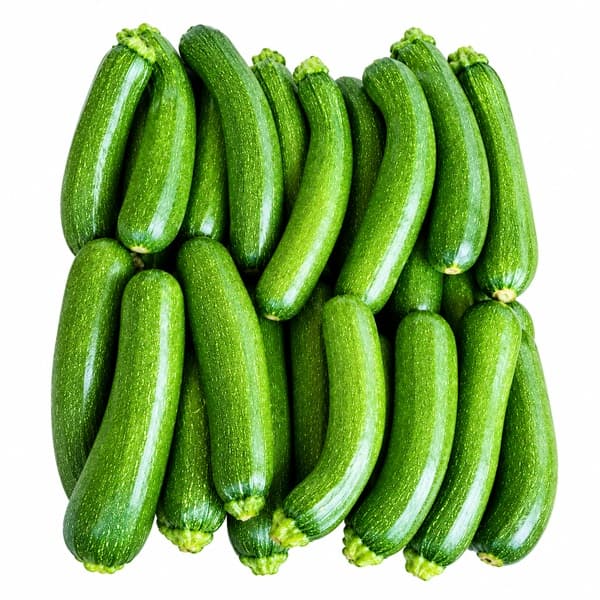

Wheel Pumpkin is a pumpkin variety with a distinctive wheel-like shape, belonging to the genus Cucurbita of the Cucurbitaceae family. The fruit is generally round and flattened, with deep longitudinal grooves or ribs. The skin ranges from gray-green to dark green when immature and may turn yellow-orange to orange when mature, depending on the variety. The flesh is yellow to orange, thick, firm, and naturally sweet. Wheel pumpkin is commonly used in soups, stews, steaming, roasting, stir-fries, and other vegetable-based preparations.
Characteristic Features
The fruit is round and flattened, resembling a wheel, with prominent longitudinal ribs or grooves on the surface.
The skin is relatively hard and ranges from gray-green to dark green, or may turn yellow-orange as the fruit matures depending on the variety.
The flesh is yellow to orange, relatively thick and firm, with a central seed cavity.
Acceptable raw materials should be fresh, firm, and intact, free from bruising, decay, mold, excessive moisture leakage, or abnormal odors.
Flavor & Texture
Wheel pumpkin has a mild characteristic aroma, naturally sweet flavor, and slightly nutty taste. When fresh, the flesh is firm, thick, and juicy; after cooking, it becomes soft, moderately starchy, tender, and sweeter.
Uses and Applications
Used in soups, broths, and stews.
Used steamed or boiled as a vegetable dish.
Stir-fried with meat, shrimp, mushrooms, or other vegetables.
Roasted or prepared in various pumpkin-based dishes.
Pureed for soups, porridge, sauces, or other food preparations.
Used in vegetarian and plant-based dishes.
May be cut into pieces, cubes, slices, or pureed depending on processing requirements.
Nutritionally, wheel pumpkin provides dietary fiber, carbohydrates, potassium, vitamin C, vitamin E, and carotenoids, particularly beta-carotene, contributing to its nutritional value and characteristic yellow-orange color.