MDFoods
0

Orange Carrot - China

(0 reviews)
Contact for Price

Carrots are imported directly from China.

SKU920400000119
OriginChina
UnitKilogram
Orange Carrot - China

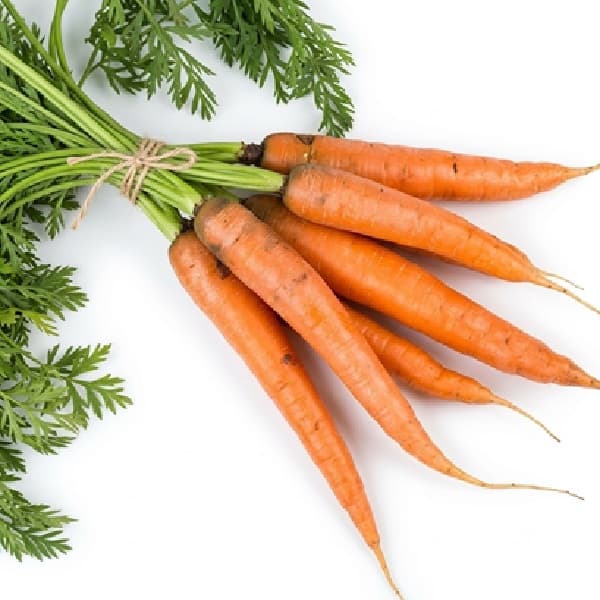
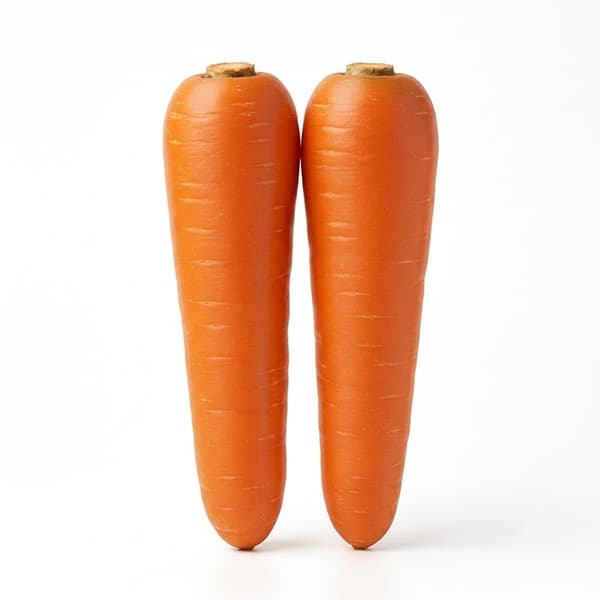
Chinese Orange Carrots (Daucus carota subsp. sativus) belong to the family Apiaceae. They are carrots with a characteristic orange root, commonly cultivated in China. The roots are generally elongated, cylindrical, or slightly conical, with a relatively smooth surface and orange flesh. The carrots have a firm texture, natural moisture, mild sweetness, a characteristic fresh-carrot aroma, and natural crispness when fresh.

Characteristic Features

The root is elongated, cylindrical, or slightly conical, with a size that varies depending on variety and growing conditions. The outer skin ranges from orange to deep orange and is relatively smooth, although natural growth rings or small lateral roots may be present.

The flesh is orange to deep orange and generally even in color, with a firm, juicy, and relatively crisp texture when fresh. The core may be more or less visible depending on the variety and should not contain darkened areas, excessive softness, or signs of deterioration.

Acceptable raw material should be fresh and relatively intact, without severe bruising, cracking, leakage, or signs of decay. The surface should be free from mold, abnormal disease spots, or excessive root growth.

The carrots should be clean and free from excessive soil, insects, and abnormal foreign matter. They should not have sour, fermented, musty, rotten, or other abnormal odors.

Flavor & Texture

Chinese orange carrots have a mild characteristic fresh-carrot aroma, natural sweetness, and a delicate flavor, sometimes with a slight earthy aftertaste typical of root vegetables.

Fresh roots are firm, crisp, and juicy. When boiled, steamed, stir-fried, or stewed, the carrots gradually soften, develop a more pronounced sweetness, and can retain their shape when cooked appropriately.

Good-quality raw material should not have bitter or sour flavors or abnormal musty, fermented, or rotten odors. The roots should not be slimy, mushy, or excessively fibrous.

Uses & Applications

Used as an ingredient in stir-fried, boiled, steamed, roasted, stewed, and soup dishes.

They can be used in salads, mixed vegetable dishes, wraps, and preparations that require natural orange color and mild sweetness.

The carrots can be sliced, shredded, diced, cut into pieces, or shaped according to preparation requirements.

Nutritionally, carrots provide beta-carotene, dietary fiber, vitamin K1, vitamin C, potassium, and other antioxidants. Beta-carotene can be converted by the body into vitamin A. Nutritional value may vary depending on variety, freshness, and cooking method.
Orange Carrot - China
Orange carrots are not the original color of this root vegetable, but rather the result of genetic mutation in Europe between the 14th and 17th centuries.
Today, it has become the most popular type of carrot worldwide.
1. Historical Origins of Orange Carrots:
- Original Purple and Yellow Ancestors: Wild carrots originated in Afghanistan and Persia about 5,000 years ago. At that time, carrots were not orange at all, but only dark purple or pale white/yellow.
- Mutation Turning Point: Around the 14th century, yellow carrot varieties in the Mediterranean region underwent a genetic mutation in their pigment structure, gradually turning to a pale orange color.
- The Dutch Agricultural Revolution (16th - 17th Centuries): Dutch farmers (masters of agriculture at the time) discovered these mutated carrots. They actively and selectively crossbred wild carrots, yellow carrots, and red carrots to create the bright orange carrot variety.
- Political and Flavor Factors: The new Dutch orange carrot variety is not only crispier, sweeter, and less bitter than the old purple/yellow variety, but it also thrives in humid weather. In particular, this orange color coincided with the symbolic color of the Royal Orange (Dutch Royal Family) at the time. Therefore, it was mass-produced, exported throughout Europe, and became the world's standard carrot.
2. Biological and Morphological Characteristics:
- Stem and Root: Carrots are herbaceous plants. The part we eat is called the "root," but it is actually the taproot (main root) that swells to store nutrients.
- Leaves: Leaves grow in clusters above the ground. The leaves are finely pinnately lobed like blades of grass, with a strong, characteristic aroma. Size: Depending on the variety (Nantes, Imperator, Chantenay...), the root can range from 10cm to over 25cm in length, with a tapered or cylindrical shape that is blunt at the end.
- Cooking durability: Orange carrots have very firm tissue. Even if you simmer, stew, or bake them for a long time, the root will only soften, not become mushy or crumble like potatoes.
3. Nutritional characteristics and color:
The characteristic orange color of this root vegetable is determined by the following scientific factors:
- Contains a super high amount of Beta-carotene: The orange color comes from the extremely high content of Carotenoid compounds (mainly Alpha-carotene and Beta-carotene). The darker the orange the root, the richer the amount of this substance.
- Converted to Vitamin A: When our bodies absorb beta-carotene, it automatically converts into Vitamin A. This is an essential micronutrient that helps improve vision, protect the retina, and brighten the eyes.
Rich in antioxidants: The carotenoids in orange carrots also act as powerful antioxidants, helping to support the immune system, protect cardiovascular health, and prevent cellular aging.
Contains 4 types of natural sugars: Orange carrots are sweeter than regular carrots because they contain four healthy sugars: glucose, fructose, sucrose, and xylose.
Better to eat cooked than raw: Unlike other vegetables (which often lose nutrients when cooked), cooking orange carrots with a little oil breaks down the tough cell walls, allowing the body to absorb 30%-40% more beta-carotene than when eaten raw.

Similar products

Orange Carrot - Dalat
SKU: 920400000112
0
Orange Carrot - Dalat
Vietnam
Contact for Price
Orange Carrot - Dalat - Grade 1
SKU: 920400000058
0
Orange Carrot - Dalat - Grade 1
Vietnam
Contact for Price
Orange Carrot - Purple-Stemmed - Dalat
SKU: 920400000124
0
Orange Carrot - Purple-Stemmed - Dalat
Vietnam
Contact for Price
Da Lat Baby Orange Carrots
SKU: 920400000009
0
Da Lat Baby Orange Carrots
Vietnam
Contact for Price
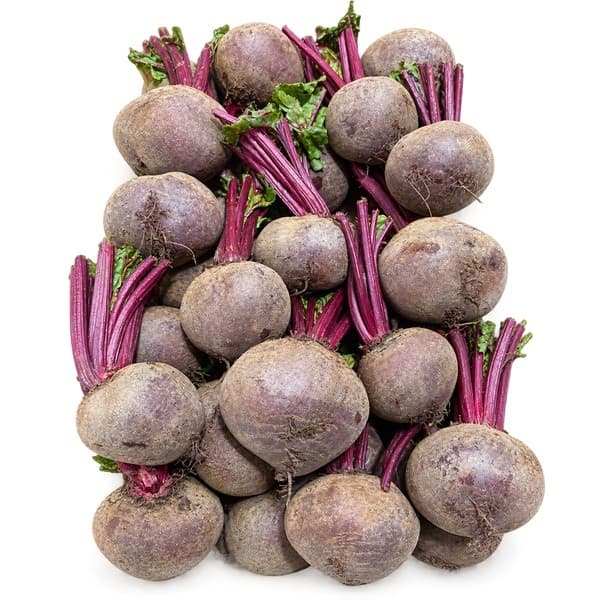
Beetroot
SKU: 920400000065
0
Beetroot
Vietnam
Contact for Price
Daikon Radish
SKU: 920400000064
0
Daikon Radish
Vietnam
Contact for Price
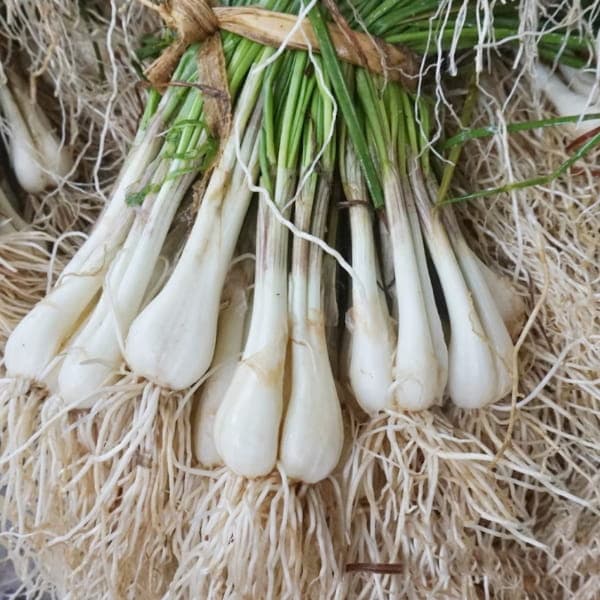
Small Onion
SKU: 922500000010
0
Small Onion
Vietnam
Contact for Price
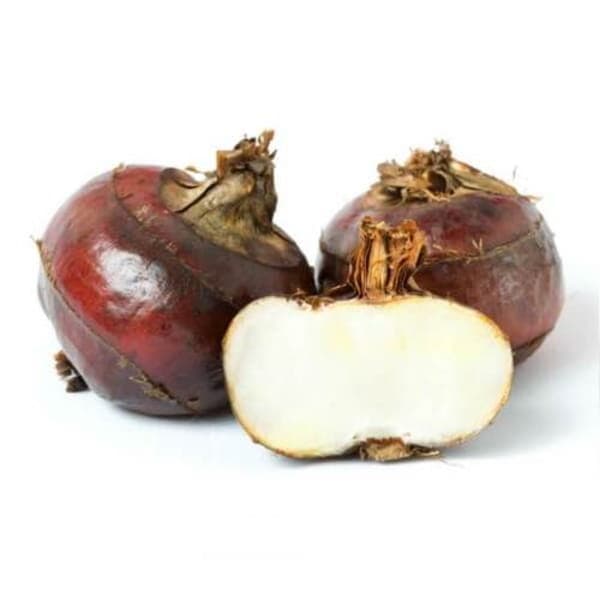
Water Chestnut
SKU: 920400000111
0
Water Chestnut
Vietnam
Contact for Price

Certified products

GlobalGAPUSDA OrganicEU OrganicACOJASISO 22000HACCPFSSC 22000BRCHALAL