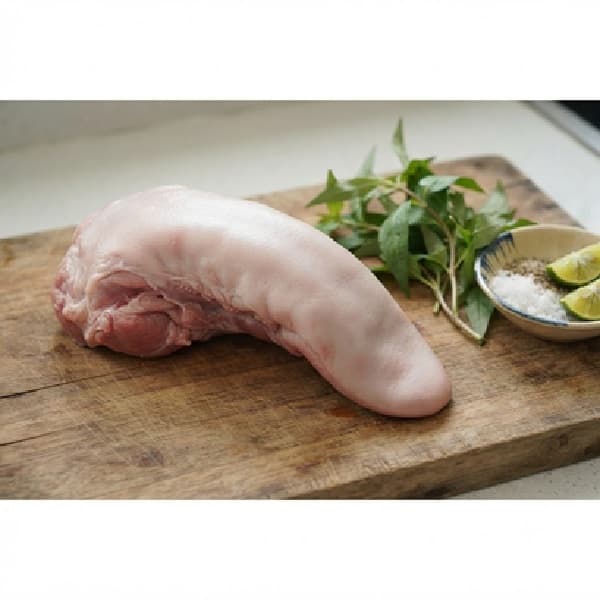

Pork shoulder is the cut of meat located in the shoulder area of the pig. Its most distinctive feature is the thin layers of fat evenly interwoven into the lean meat. This distribution isn't thick, greasy fat deposits, but rather tiny "fat veins" that help the meat maintain its moisture.
"Soft and juicy, not dry" texture: While pork loin tends to dry out when cooked for a long time, pork shoulder is the complete opposite. Thanks to the natural "lubricating" fat veins, pork shoulder always retains its soft, juicy, and firm texture without becoming mushy or dry.
"Sweet and wholesome" flavor: Pork shoulder has a rich, sweet flavor and a characteristic aroma of fresh meat. This is the safest cut of meat for any recipe, whether you're a professional chef or a beginner.
Pork shoulder can be used in countless ways in various dishes:
Braised Pork: Braised with pepper, fish sauce, or quail eggs. The meat is cut into square pieces, soaked in seasoning, and the thin layer of fat melts into the meat, creating a melt-in-your-mouth sensation.
Grilled Pork: This is the number one choice for grilled meat dishes (such as bun cha, com tam). Grilled pork shoulder doesn't dry out, the surface is crispy and fragrant, while the inside remains tender.
Minced Pork: Pork shoulder is the perfect ingredient for filling spring rolls, dumplings, or steamed buns. The balanced lean-to-fat ratio keeps the filling moist, soft, and sweet.
Stir-fried Pork: Stir-fried with onions, wood ear mushrooms, or other vegetables. The quick cooking time helps the meat retain its crispness and sweetness.