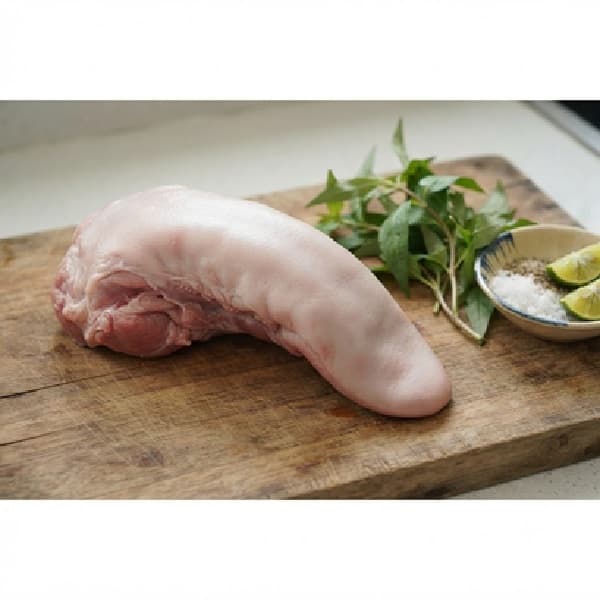

Pig's intestines (actually the uterus and part of the fallopian tubes of a sow) resemble a section of intestine but are thicker, larger, and pinkish-white. Unlike the delicate small intestine, pig's intestines have a firm structure, consisting of a tough outer membrane and a cartilaginous interior.
The "crispy, chewy, and fatty" texture: This is the most appealing aspect of pig's intestines. When cooked to perfection, the intestine reaches its ideal state: the outer layer is slightly crispy and chewy, while the inside is soft and fatty like fat but with a crunchy, cartilage-like texture, providing an extremely enjoyable chewing experience.
The "rich, refined sweetness" flavor: Pig's intestines have a very rich and distinctive meaty sweetness. If properly prepared, they have no unpleasant odor; instead, they have a rich, delicate aroma blended with natural sweetness.
Pork intestines are an indispensable ingredient in casual snacks or elaborate banquets:
Boiled pork intestines with shrimp paste dip: The most classic and satisfying way to enjoy them. Boiled pork intestines, crispy and chewy, are dipped in shrimp paste with lime and chili, and served with perilla leaves or mint. Simple yet a perfect combination.
Stir-fried pork intestines with pickled mustard greens / stir-fried with chili sauce: Pork intestines are quickly stir-fried with pickled mustard greens or spicy chili sauce, creating a rich, flavorful dish that goes well with rice and is an amazing snack.
Mixed offal hot pot: Pork intestines are an essential component in offal hot pots, adding sweetness and richness to the dish.