Red cabbage (also known as purple cabbage) is a vegetable belonging to the *Brassicaceae* family, originating from the Mediterranean region and Europe. It is currently cultivated in many countries, including Vietnam, particularly in areas with suitable climatic conditions and specialized vegetable-growing regions.
**Key Characteristics**
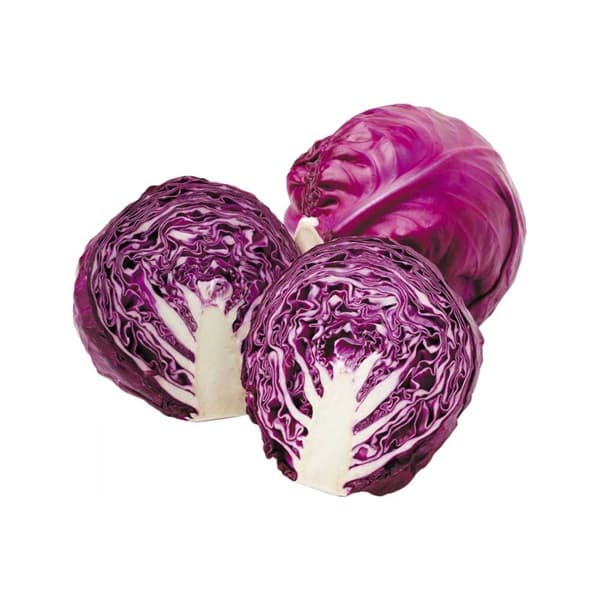
Red cabbage forms a round or slightly flattened head, with tightly wrapped leaves creating a firm structure. The leaves feature a distinctive reddish-purple or bluish-purple hue, with color intensity varying depending on the variety and growing conditions. Inner leaves are typically a brighter purple, interspersed with white veins.
High-quality red cabbage is firm, feels heavy for its size, and has tightly wrapped, intact leaves. The leaf surface should be fresh, showing no signs of bruising, waterlogging, or damage.
**Flavor & Texture**
Red cabbage has a mild, clean sweetness accompanied by the slight pungency characteristic of *Brassicaceae* vegetables. The leaves are crisp, firm, and succulent, making them particularly suitable for raw consumption. When cooked, the leaves soften but retain their structural integrity and distinctive color.
The cabbage's natural purple color comes from anthocyanin pigments, which add visual appeal to dishes and can shift in color depending on the cooking environment.
**Uses and Applications**
Red cabbage is widely used in modern menus, restaurants, eateries, and various F&B settings. Common applications include:
* **Salads:** Shredded or chopped and combined with greens, fruits, and dressings.
* **Raw consumption:** Served as a side vegetable or topping for banh mi, burgers, sandwiches, and wraps.
* **Stir-frying:** Combined with meat, seafood, mushrooms, or other vegetables.
* **Soups:** Adds color and a mild sweetness to the dish.
* **Roasting/Pan-searing:** Suitable for modern-style dishes. Pickling: used in fermented vegetable dishes.
Garnishing: its striking purple color enhances visual appeal and sensory quality.
Red cabbage provides fiber, vitamins, minerals, and natural plant compounds, with anthocyanins contributing to the product's characteristic purple color.