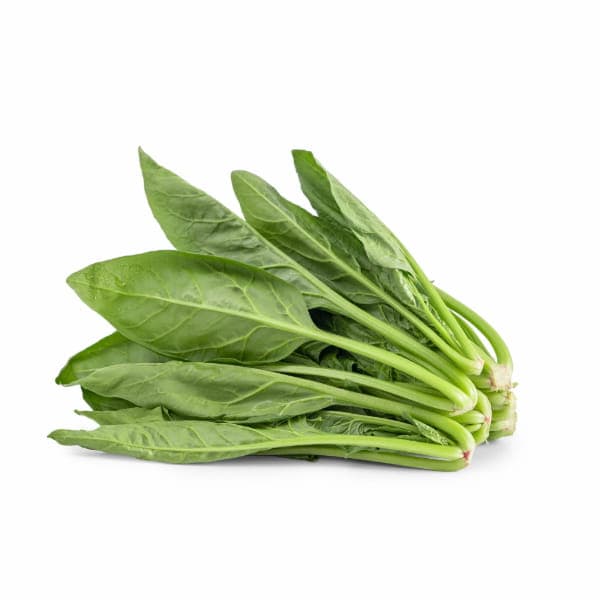
Baby Spinach (Baby Spinach) is a young form of spinach harvested while the leaves and stems are still immature, belonging to the Amaranthaceae family. It has small leaves, a soft texture, natural green color, and a mild flavor. Baby spinach is commonly consumed fresh or used as an ingredient in various dishes.
Characteristic Features
The leaves are small, oval, or slightly elongated, with a soft surface and relatively visible veins.
The leaves range from light green to dark green, depending on the variety and harvesting stage.
The petioles are short, soft, and succulent, while the young stems have a tender texture and are easy to prepare.
Fresh baby spinach should have intact leaves and stems with natural green color, without bruising, yellowing, excessive softness, or signs of mold.
The young leaves are tender, juicy, and less fibrous than mature spinach.
Flavor & Texture
Baby spinach has a mild aroma with a fresh, slightly sweet flavor and less bitterness than mature spinach. The leaves are soft and juicy, with a slight crispness when fresh; when cooked, they soften quickly and readily absorb seasonings.
Uses and Applications
Used fresh in salads and mixed vegetable dishes.
Quickly stir-fried with garlic, meat, shrimp, or seafood.
Used in soups, broths, and soup-based dishes.
Combined with eggs, cheese, meat, and other ingredients.
Used in noodles, pasta, rice dishes, and other vegetable-based preparations.
Blended or juiced to add green vegetables and natural color to certain foods and beverages.
Nutritionally, baby spinach provides dietary fiber, vitamins A, C, and K, folate, iron, and certain minerals, while containing natural plant compounds.