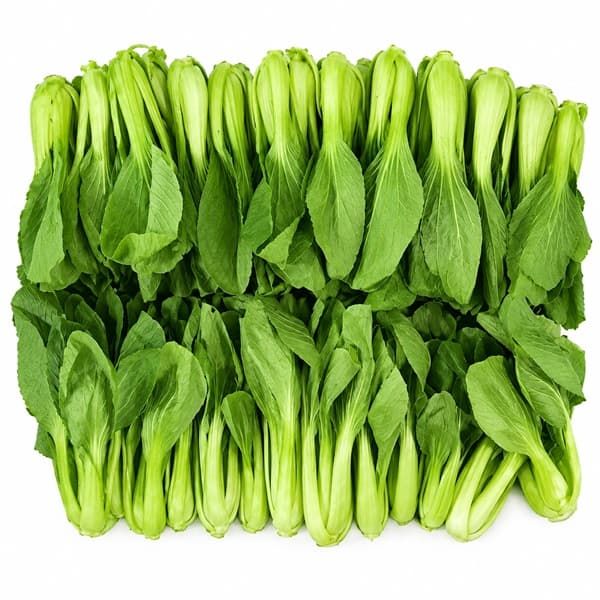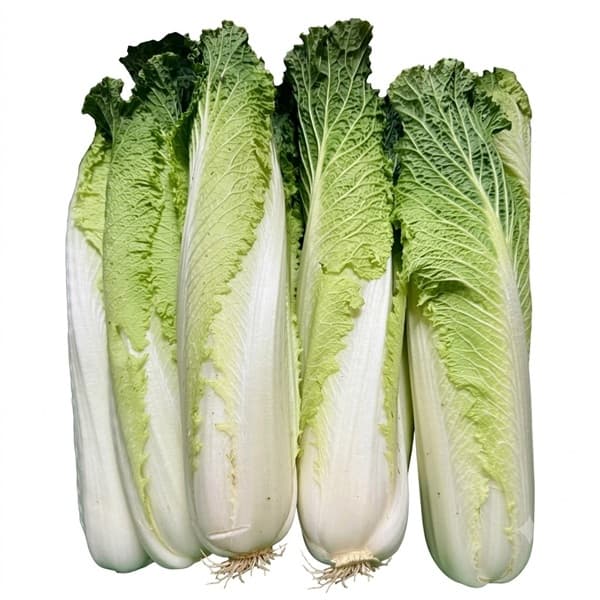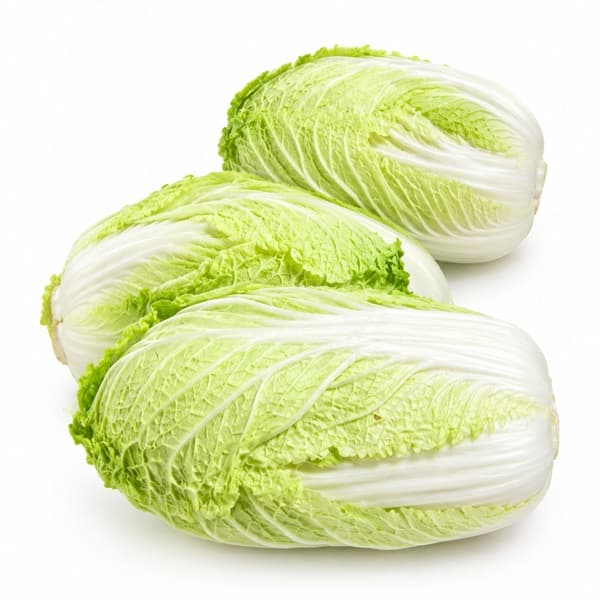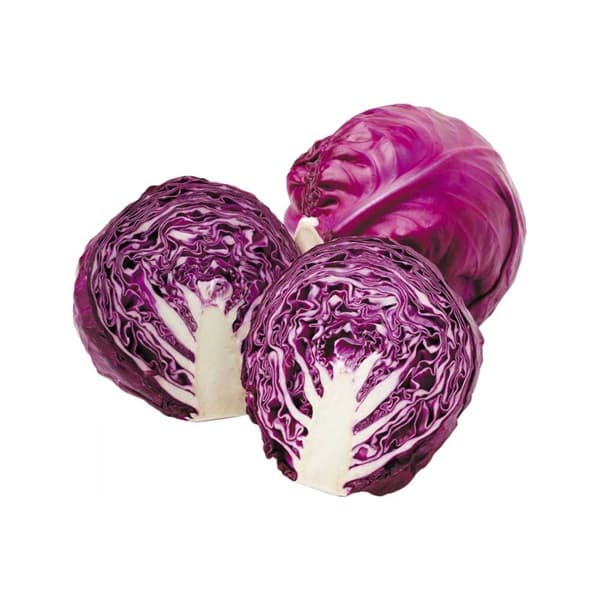

Kale (Kale) is a leafy vegetable belonging to the Brassicaceae family, with green leaves that vary in shape depending on the variety, ranging from flat to highly curled. Kale originated in the Mediterranean region and is now widely cultivated in many parts of the world. It is commonly consumed fresh or used as an ingredient in cooked dishes.
Characteristic Features
The leaves may be round, elongated, or lobed, with edges that can be flat, wavy, or strongly curled depending on the variety.
The leaves are typically light green to dark green, while some varieties may have bluish-purple or reddish-purple tones.
The petioles and stems are relatively firm, with a slightly crisp texture when fresh.
Fresh leaves should have natural color and an intact surface, without bruising, yellowing, excessive softness, or visible signs of pest damage.
Young leaves are generally more tender and easier to eat, while mature leaves have a firmer and slightly chewier texture.
Flavor & Texture
Kale has a characteristic Brassica aroma, with a fresh, slightly sweet flavor and a mild bitter note that varies depending on the variety and maturity. The leaves are firm and slightly crisp when fresh; when cooked, they gradually soften while retaining a slightly chewy texture.
Uses and Applications
Used fresh in salads and mixed vegetable dishes.
Stir-fried with garlic, meat, shrimp, or seafood.
Used in soups, broths, and other soup-based dishes.
Combined with eggs, meat, fish, and other vegetables.
Used as an ingredient in noodles, pasta, rice dishes, and other green vegetable preparations.
Can be blended or juiced to add green vegetables and natural color to certain foods and beverages.
Nutritionally, kale provides dietary fiber, vitamins A, C, and K, folate, calcium, iron, and certain minerals, while also containing natural plant compounds characteristic of Brassica vegetables.