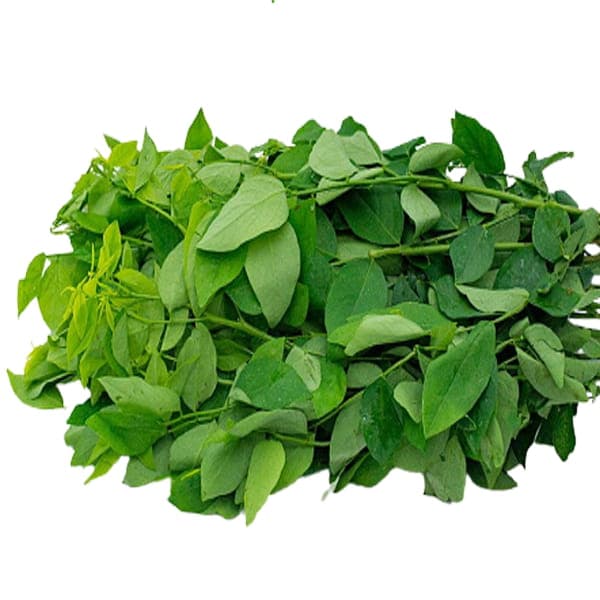
Katuk Leaves (Sauropus androgynus) are the edible leaves and young shoots of the katuk plant, belonging to the Phyllanthaceae family. The plant is widely cultivated in tropical regions of Asia, particularly in Vietnam. Katuk leaves are commonly used in soups, stir-fried dishes, and traditional home-style cooking.
Characteristic Features
The leaves are small, oval to elongated in shape and grow densely along the stems.
The leaves are dark green, smooth, relatively thin, and tender.
Young shoots are bright green, soft, and easy to separate from older stems.
Fresh katuk leaves have a high moisture content and should be cleaned and trimmed to remove mature, wilted, or damaged parts before use.
Good-quality leaves should be fresh and intact, free from bruising, insect damage, decay, excessive wilting, or abnormal odor.
Flavor & Texture
Katuk leaves have a mild characteristic aroma, naturally sweet and slightly fresh flavor. When cooked, the leaves become soft with a slight mucilaginous texture and contribute natural sweetness to soups.
Uses and Applications
Used in soups with minced meat, shrimp, fish, or other ingredients.
Used in vegetable-based soups.
Used in stir-fried dishes.
Used as an ingredient in traditional Vietnamese and home-style dishes.
Suitable for vegetarian and plant-based preparations.
May be chopped or lightly crushed before cooking according to preparation requirements.
Nutritionally, katuk leaves provide dietary fiber, vitamin C, vitamin A, folate, calcium, iron, and various naturally occurring plant compounds.