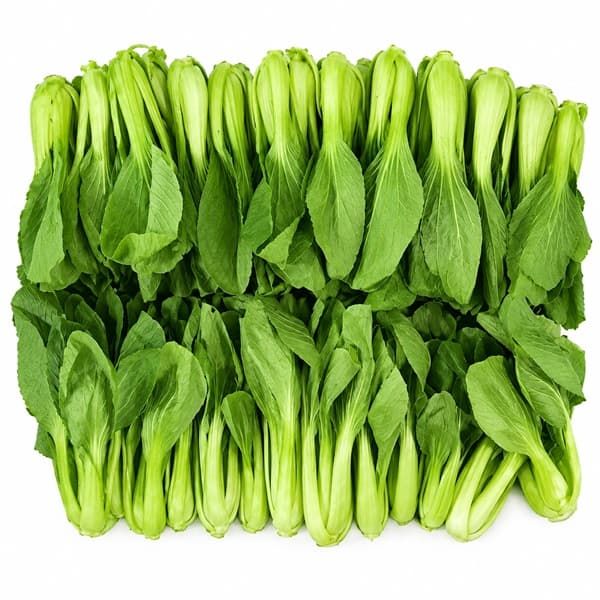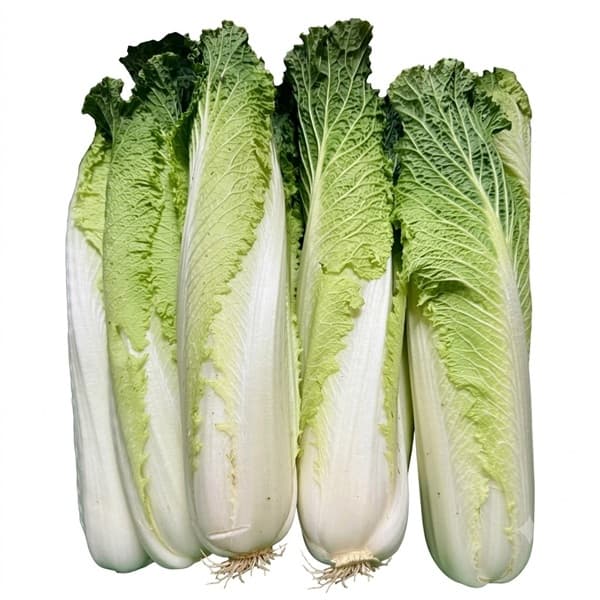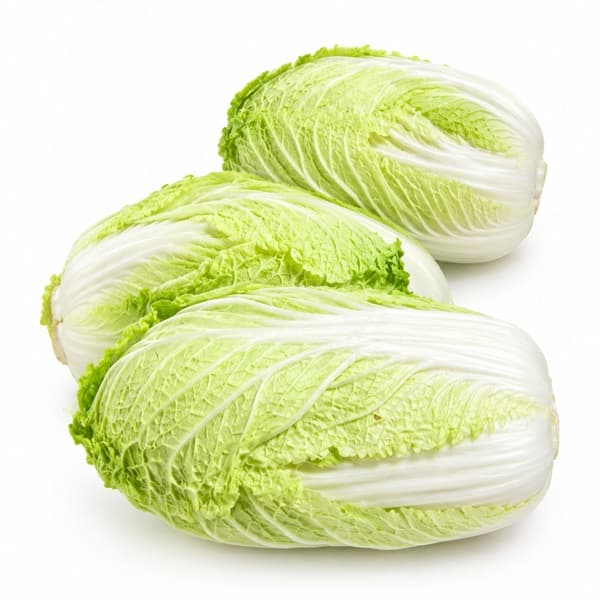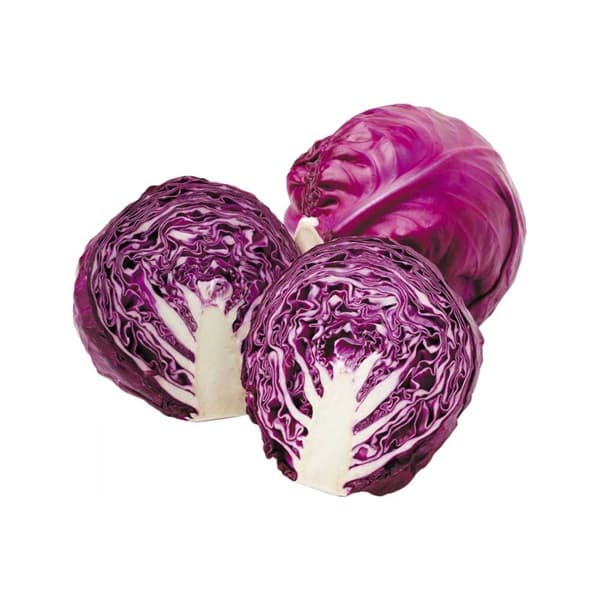

Chinese flowering cabbage (often known as *cải ngồng*) belongs to the *Brassicaceae* family and is typically harvested when the plant has developed its stem and young flower stalks. It features succulent green stems, green leaves, and often bears small clusters of yellow flowers. It is a popular vegetable in Asian cuisine, characterized by a mild sweetness and a texture that is both crisp and tender.
**Key Characteristics**
* Straight, succulent green stems that are firm yet crisp.
* Green leaves growing along the stem, with relatively tender blades.
* Small yellow flower clusters appearing at the top when the plant enters the flowering stage.
* The entire plant—stem, leaves, and young flowers—can be harvested, with the flowering stem being the signature part.
* The vegetable has a relatively compact shape; the stems and young tops remain fresh and vibrant when harvested at the right time.
**Flavor & Texture**
Chinese flowering cabbage has a clean, sweet flavor with a hint of bitterness and the characteristic aroma of brassicas. The stems are succulent and slightly crisp; the leaves are tender, while the young flowers have a soft texture and mild taste. When cooked, the vegetable retains its natural sweetness and a pleasant crunch.
**Uses & Applications**
* Stir-fried with garlic, meat, mushrooms, or other ingredients.
* Boiled or steamed, retaining its green color and natural sweetness.
* Blanched or used in hot pot dishes.
* Used in soups with meat, fish, or other complementary ingredients.
* Utilizes the stems, leaves, and young flowers in various vegetable dishes.
Nutritionally, Chinese flowering cabbage provides fiber, vitamins A, C, and K, folate, and minerals such as calcium and potassium. Nutritional content may vary depending on the variety, cultivation conditions, and the maturity of the vegetable.