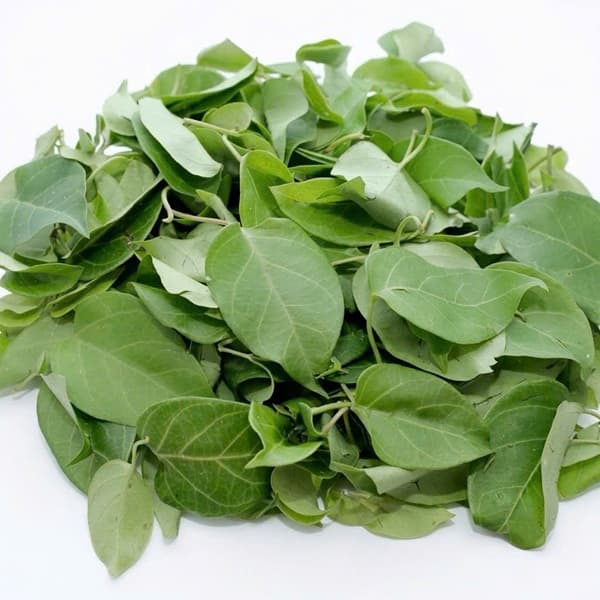
Rattan Vine Leaves (Aganonerion polymorphum) are the edible leaves of the rattan vine plant, belonging to the Apocynaceae family. The plant is a climbing vine found in tropical regions of Southeast Asia. Rattan vine leaves are widely used in Vietnamese cuisine, particularly as a natural source of sour flavor in soups and hotpot dishes.
Characteristic Features
The leaves are oval to elongated, with pointed tips and smooth margins.
Young leaves are bright green, while mature leaves are darker green with a relatively smooth surface.
The plant grows as a climbing vine, with young stems that are soft and may release white latex when cut or broken.
Fresh leaves have a high moisture content and should be cleaned and trimmed to remove mature, wilted, or damaged leaves before use.
Good-quality leaves should be fresh and intact, free from insect damage, bruising, waterlogging, or abnormal odor.
Flavor & Texture
Rattan vine leaves have a distinctive natural sour flavor with a mild characteristic aroma. Young leaves are tender and slightly chewy; after cooking, they become softer and impart a fresh, mildly sour taste to dishes.
Uses and Applications
Used in sour soups with chicken, fish, shrimp, or other ingredients.
Used in chicken and rattan vine leaf hotpot and other sour hotpot dishes.
Used as a natural souring ingredient in various dishes.
Used in selected stir-fried or traditional preparations.
May be lightly bruised or chopped before cooking to help release the natural sour flavor.
Nutritionally, rattan vine leaves provide dietary fiber, vitamin C, and various vitamins and minerals; nutritional composition may vary depending on maturity, growing conditions, and cooking methods.