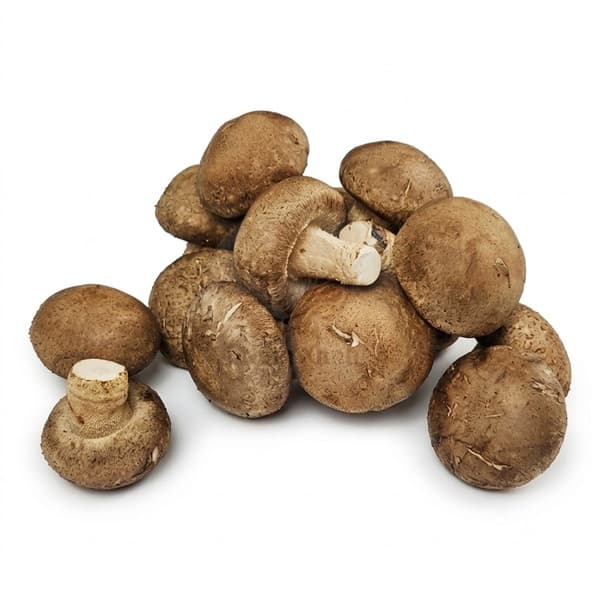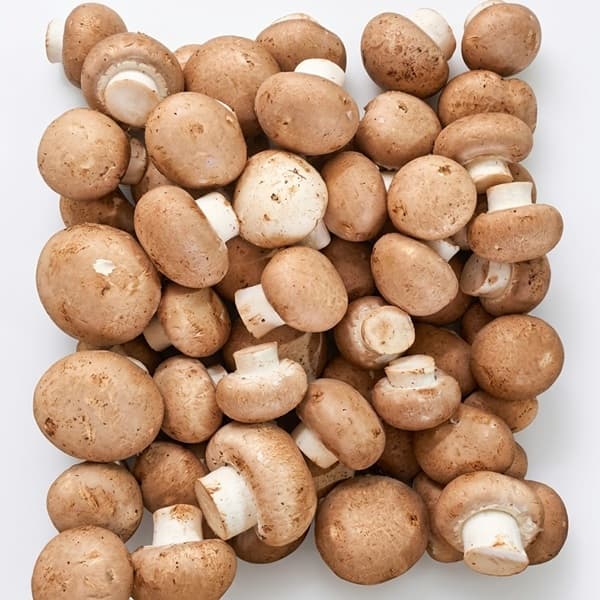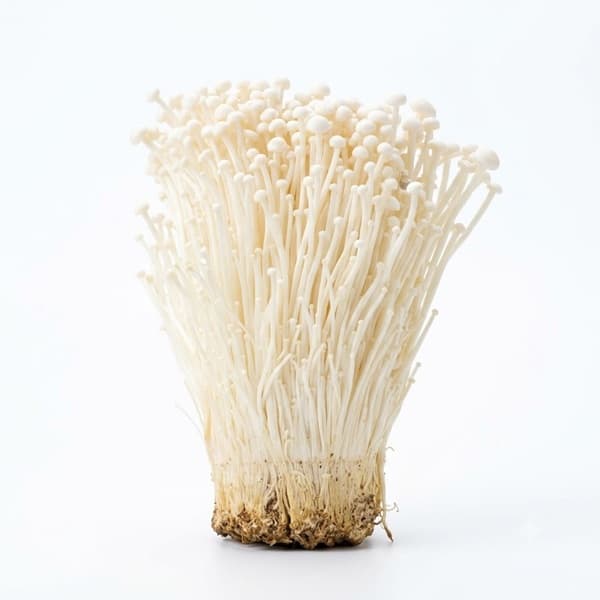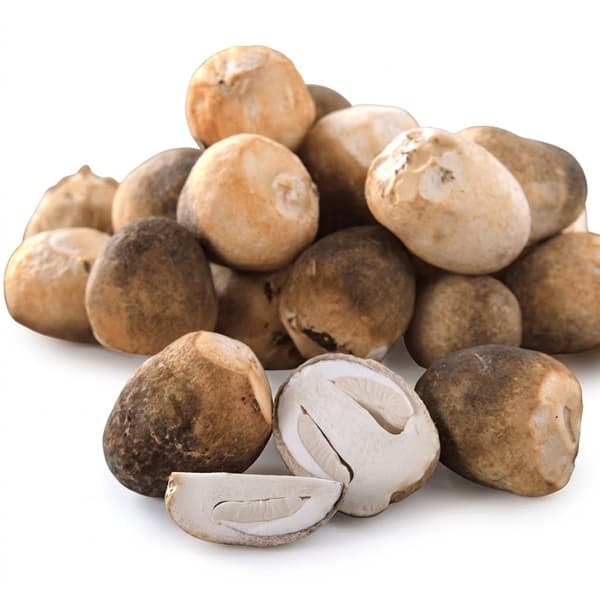

Dried Shiitake Mushroom is an edible mushroom belonging to the Marasmiaceae family, scientifically known as Lentinula edodes. It is widely used in East Asian cuisine and many countries around the world. The mushroom has a round brown cap and is dried to extend its shelf life while retaining its characteristic aroma and umami flavor. Before use, the mushrooms are typically soaked in water to soften and partially restore their original texture.
Distinctive Characteristics
Brown caps: The caps are round or slightly wavy, with a dry surface that may naturally feature light patterns or spots.
Dry and lightweight form: After drying, the mushrooms become firmer and drier than fresh mushrooms, making them convenient for storage.
Relatively thick caps: They retain their structure and a certain degree of chewiness after rehydration.
Distinctive aroma: The drying process intensifies the mushroom's aroma compared with fresh shiitake mushrooms.
Easy to rehydrate: The mushrooms can be soaked in water until softened before cooking.
Flavor & Texture
Dried Shiitake Mushrooms have an intense aroma, pronounced umami flavor, and distinctive aftertaste. When dry, the mushrooms are firm and brittle; after soaking, they become soft, slightly chewy, and succulent. The soaking liquid can also be used to enhance the flavor of dishes after being properly strained.
Uses & Applications
Soups and broths: Used to provide natural umami and mushroom aroma.
Braised and stewed dishes: Combined with meat, vegetables, or other ingredients.
Stir-fried dishes: Sliced or chopped after rehydration.
Vegetarian dishes: Used as an ingredient to add flavor and texture.
Fillings: Used in rolls, pastries, dumplings, and various food fillings.
Broth preparation: Both the mushrooms and properly strained soaking liquid can be used to add flavor.
Nutritionally, Dried Shiitake Mushrooms provide dietary fiber, plant-based protein, various vitamins, minerals, and naturally occurring bioactive compounds. Because they are dried, the nutrient content per unit of weight may be higher than that of fresh mushrooms, while their water content is significantly lower.