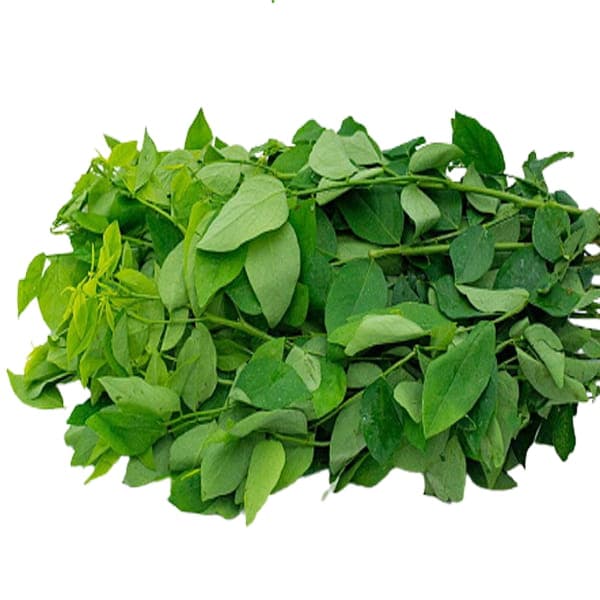

Glinus oppositifolius belongs to the Molluginaceae family. It is a low-growing herb commonly found in tropical regions, particularly in moist areas and open ground. The plant has slender, branching stems that spread along the ground, with small opposite or nearly opposite leaves. Its young stems and leaves are harvested for culinary use.
Characteristic Features
The plant has slender, soft, branching stems that grow close to the ground. The leaves are small, oval to oblong, naturally green, with smooth margins and a relatively smooth surface. Young leaves and tender stems are the main edible parts.
Acceptable raw materials must be fresh, with naturally green leaves and intact stems and foliage. The herbs must be free from severe wilting, waterlogging, decay, mold, visible pest damage and abnormal odors. Soil, sand, weeds and other foreign materials must be removed. Older, yellowed or damaged parts should be discarded before preparation.
Flavor & Texture
The herb has a mild, characteristic fresh herbal aroma and a slightly bitter, refreshing taste. Its young stems and leaves are tender and succulent. When cooked, the plant becomes softer while retaining its characteristic mild bitterness.
Uses and Applications
Rau dang dat is commonly served as a fresh accompaniment after thorough washing, cooked in soups or incorporated into traditional dishes. Before use, remove damaged parts and foreign materials, then wash thoroughly under clean running water. Soaking and washing may be carried out according to the facility’s raw-material sanitation procedures.
Nutritionally, rau dang dat contains water, dietary fiber, and certain vitamins, minerals and naturally occurring plant compounds. Its specific nutritional composition may vary depending on growing conditions and freshness.