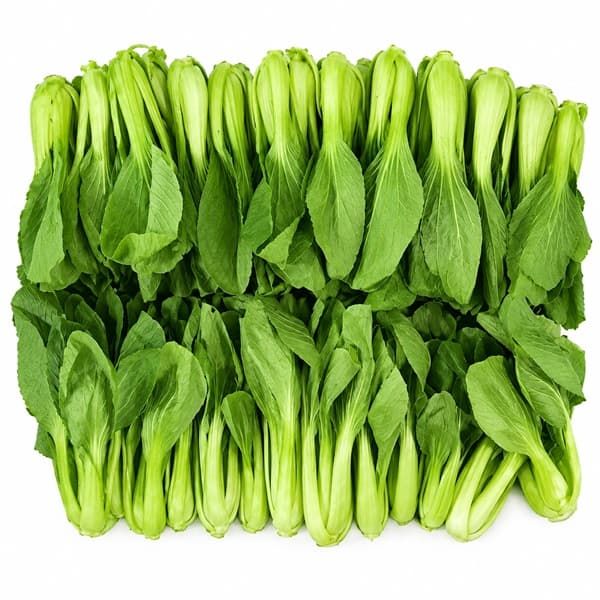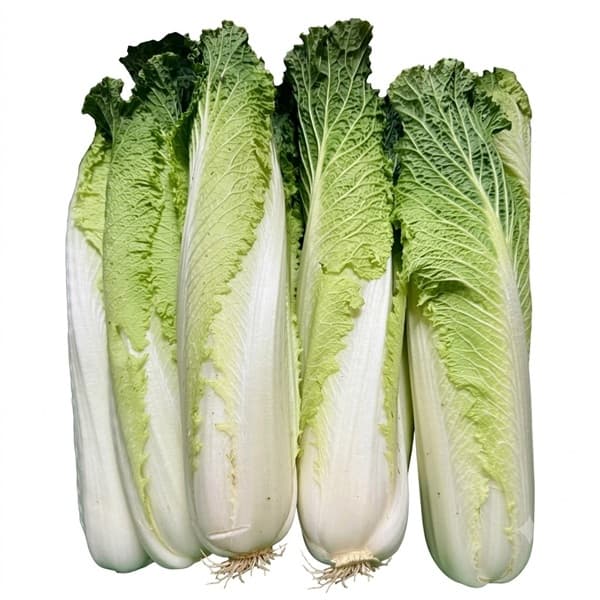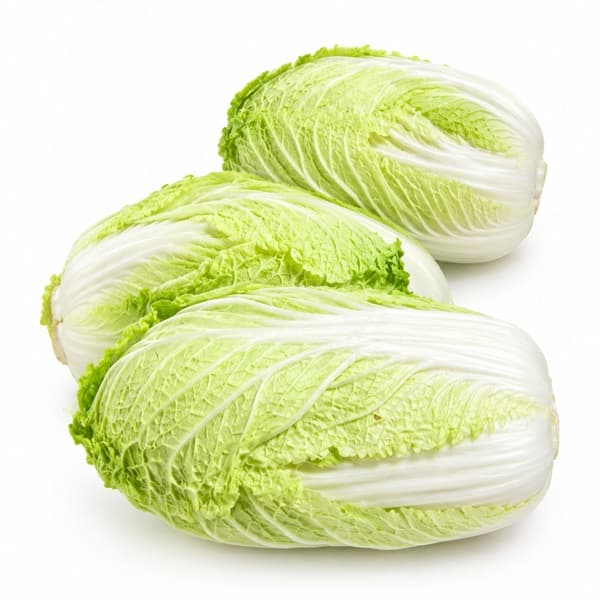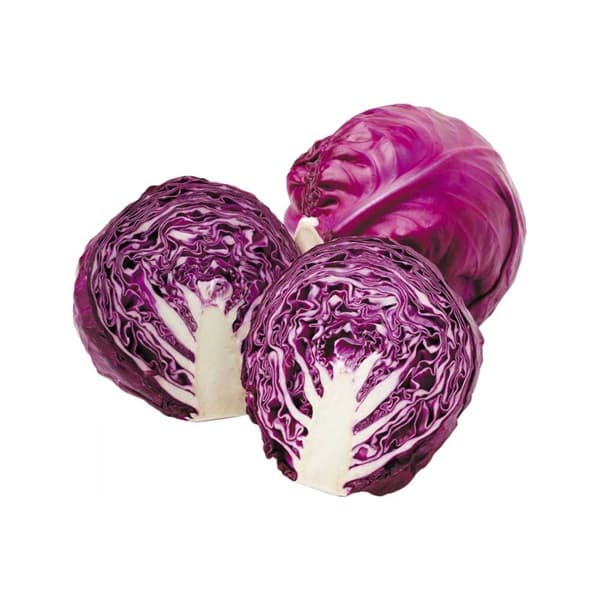

Savoy Cabbage is a leafy vegetable belonging to the Brassicaceae family, characterized by its round head formed by tightly layered leaves. The green leaves have naturally wrinkled surfaces with prominent veins, giving Savoy cabbage its distinctive appearance. It is commonly used as a vegetable and food ingredient in a variety of dishes.
Characteristic Features
The head is round to slightly flattened, with tightly layered leaves forming a relatively firm head.
The leaves range from light green to dark green, with naturally wrinkled surfaces, prominent veins, and slightly wavy edges.
The stem and leaf ribs are firm, while the inner leaves are generally lighter in color.
Fresh Savoy cabbage should have a firm head, intact leaves, and natural color, without bruising, waterlogging, wilting, visible pest damage, or mold.
The leaves are crisp and juicy, making them suitable for fresh consumption or various cooking methods.
Flavor & Texture
Savoy cabbage has a mildly sweet, fresh flavor with a characteristic leafy vegetable aroma. The leaves are crisp and juicy when fresh; after cooking, they become tender while retaining a slight firmness and relatively good shape.
Uses and Applications
Used fresh in salads and mixed vegetable dishes.
Used as a wrapping vegetable or combined with meat, fish, and various fillings.
Used in stir-fried, boiled, and steamed dishes.
Used in soups and stewed dishes.
Used as an ingredient for rolls and stuffed dishes.
Can be shredded for salads, mixed dishes, or combined with other vegetables.
Nutritionally, Savoy cabbage provides dietary fiber, vitamin C, vitamin K, folate, and certain minerals, while containing natural plant compounds characteristic of cruciferous vegetables.