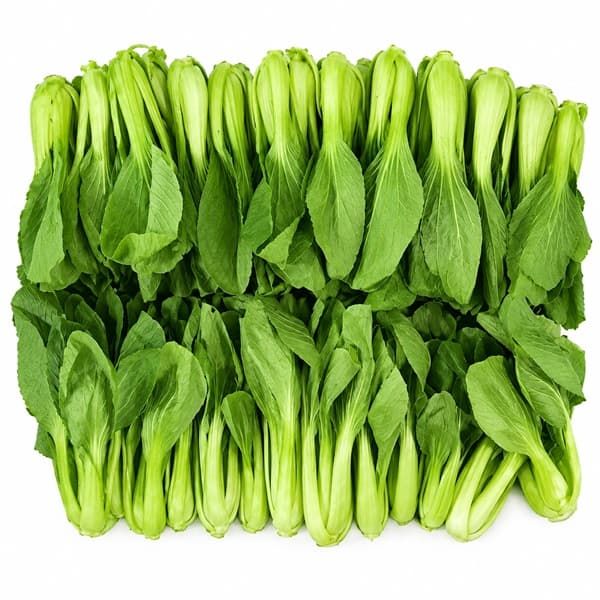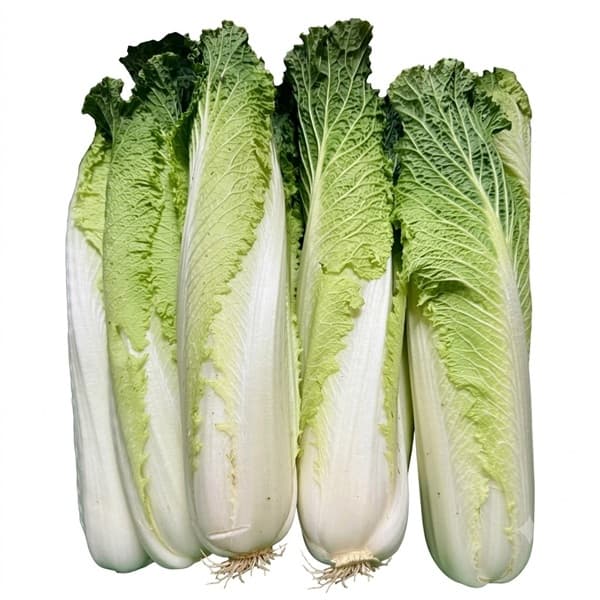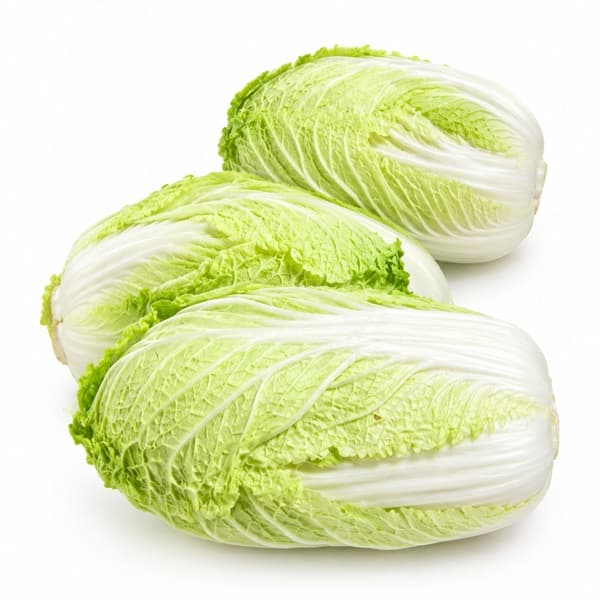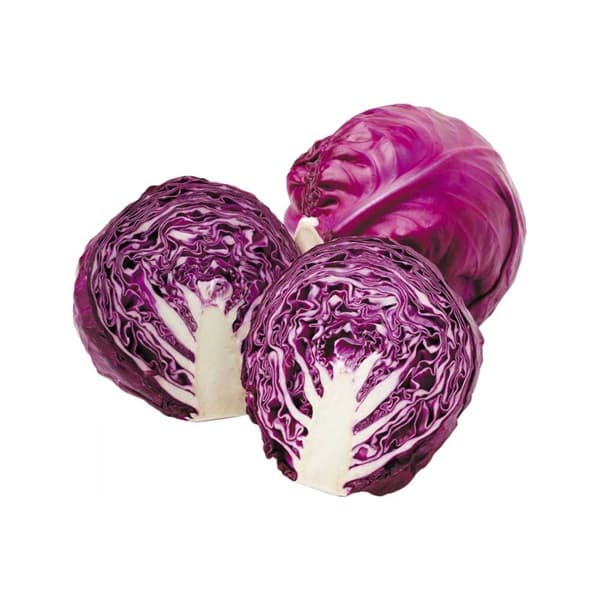

Soft Cabbage is a type of cabbage characterized by soft, thin leaves with a light crispness. The head is round or slightly elongated, with relatively loosely layered leaves ranging from light green to medium green. The leaves have naturally high moisture content and a softer texture than some conventional cabbage varieties, with a mild, slightly sweet, and refreshing cabbage flavor.
Characteristic Features
The cabbage head is small to medium in size, round or slightly elongated, with leaves layered together but not tightly packed. The outer leaves are light to medium green, while the inner leaves are usually light green to pale greenish-white.
The leaves are relatively thin and soft, with visible but not excessively tough veins. The leaf surface should be fresh, clean, and naturally moist, without darkened areas, bruising, or abnormal signs of pest damage.
The leaf stems are white-green to light green, lightly crisp, and naturally juicy. Acceptable raw material should be fresh, with relatively intact leaves and without excessive softness, sliminess, or signs of decay.
The cabbage should be clean and free from insects, pests, and abnormal foreign matter. It should not have sour, fermented, rotten, musty, or other abnormal odors.
Flavor & Texture
Soft Cabbage has a mild, fresh cabbage aroma with a light, slightly sweet, delicate flavor and less pronounced pungency.
The leaves are soft, thin, and lightly crisp, making them easy to cut and eat. When eaten raw, the leaves remain fresh and juicy; when cooked, they soften quickly while retaining their shape if not overcooked.
Good-quality raw material should not have bitter or sour flavors or abnormal rotten, musty, or fermented odors. The leaves should not feel slimy, mushy, or excessively tough.
Uses & Applications
Used as an ingredient for salads, wraps, mixed vegetable dishes, and fresh preparations.
It can also be used in stir-fries, boiled dishes, steamed dishes, soups, and stews where soft and quick-cooking cabbage leaves are preferred.
The leaves can be shredded, cut into pieces, or separated individually depending on the preparation.
Nutritionally, cabbage provides dietary fiber, vitamin C, vitamin K, folate, and several minerals. Its nutritional value may vary depending on variety, freshness, and cooking method.