
Dill is an aromatic herb belonging to the Apiaceae family, scientifically known as Anethum graveolens. It originates from the Mediterranean region and Southwest Asia and is now widely cultivated in temperate and subtropical regions. Dill has upright stems, fine thread-like leaves, and a distinctive aromatic fragrance.
Distinctive Characteristics
-
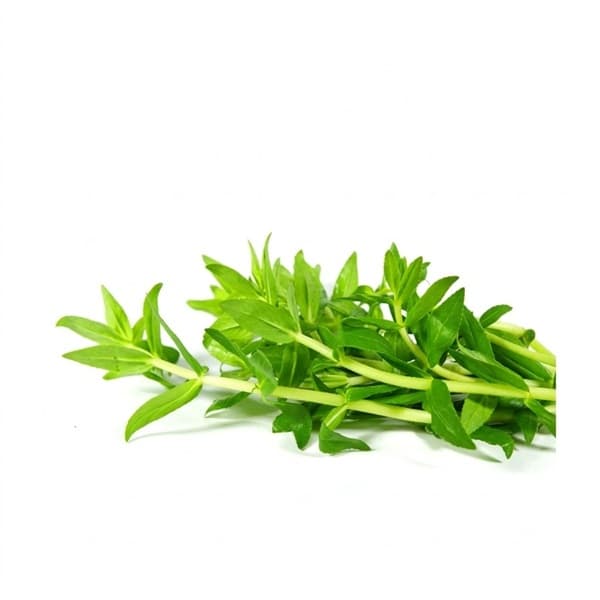
Upright, soft green stems with branching toward the upper portions of the plant.
-
Fine, delicate leaves divided into numerous thread-like segments, creating a light, feathery appearance.
-
Young leaves and stems are bright green and contain naturally occurring essential oils that contribute to their characteristic aroma.
-
Small yellow flowers form umbrella-shaped clusters near the tips of mature stems.
-
Dill is commonly harvested while the leaves and stems are still young to retain their tenderness and pronounced aroma.
Flavor & Texture
Dill has a distinctive aromatic fragrance with a slightly sweet and mildly spicy herbal flavor. The leaves and young stems are delicate, soft, and succulent. When cooked, the aroma becomes milder while retaining its characteristic herbal notes.
Uses & Applications
Dill is commonly used fresh as an aromatic herb.
It can be finely chopped and combined with fish, seafood, meat, and vegetables.
It is commonly used in soups, broths, and stews to add a distinctive aroma.
It can also be used in salads, mixed dishes, or served fresh as an accompaniment.
Dill can be combined with spring onions, ginger, garlic, and other herbs to create aromatic seasoning mixtures.
It can also be used to add aroma and provide a natural garnish for dishes.
Nutritionally, Dill provides dietary fiber, vitamin A, vitamin C, vitamin K, folate, and minerals such as calcium, iron, manganese, and potassium. It also contains naturally occurring plant compounds and essential oils that contribute to its characteristic aroma. Nutritional composition may vary depending on variety, growing conditions, maturity, and storage methods.