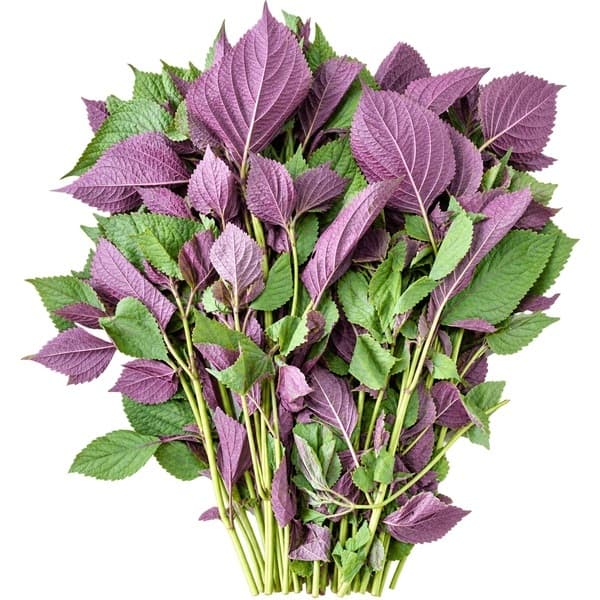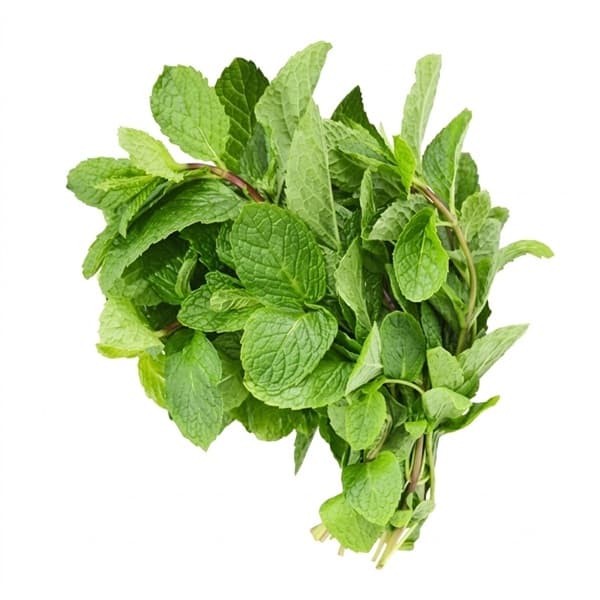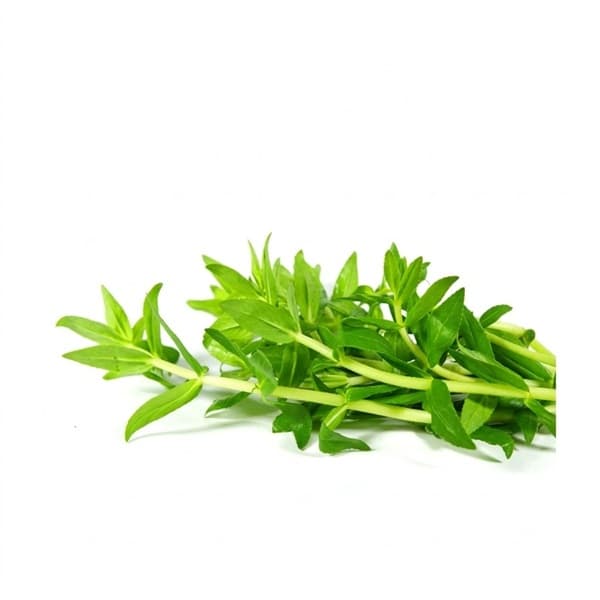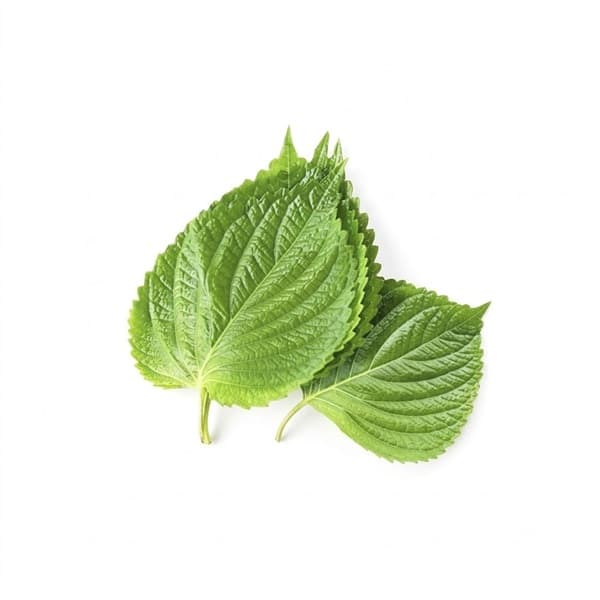

Sweet Basil is an aromatic herb belonging to the Lamiaceae family and is commonly used in Vietnamese cuisine and many other Asian culinary traditions. The plant has soft stems, green oval leaves, and natural essential oils that contribute to its characteristic aroma. Sweet basil is commonly used fresh as an accompaniment, seasoning, or ingredient in a variety of dishes.
Distinctive Characteristics
The leaves are oval to elongated, growing in opposite pairs along the stems and ranging from small to medium in size.
The leaves are naturally green with a relatively soft surface and visible veins. Oil glands in the leaves contribute to their characteristic aroma.
The stems are soft and range from green to purplish depending on the variety, with multiple branches developing as the plant matures.
Good-quality sweet basil has fresh green leaves and firm tender stems, with no signs of yellowing, bruising, pest damage, or mold.
Mature plants may produce small flower clusters at the ends of the stems, ranging from white to pink or pale purple depending on the variety.
Leaf size, stem color, and aroma intensity may vary depending on the variety, growing conditions, and maturity.
Flavor & Texture
Sweet basil has a pronounced herbal aroma, a mild flavor with light spiciness, and a subtle sweet aftertaste. Young leaves are soft, succulent, and easy to eat, while tender stems have a slight crispness. Gently crushing or chopping the leaves releases their natural oils and enhances the aroma.
Uses & Applications
Fresh accompaniment: served with pho, rice noodles, noodle soups, noodles, porridge, and other brothy dishes.
Wraps: used in fresh spring rolls, rice-paper rolls, and other wraps with meat, shrimp, or vegetables.
Salads & mixed dishes: combined with vegetables, fruits, meat, seafood, and other fresh herbs.
Meat & seafood dishes: served as a fresh herb accompaniment with grilled, steamed, fried, or other meat, fish, and seafood dishes.
Sauces & seasonings: used to add aroma to selected sauces, dipping sauces, and seasoning mixtures.
Food decoration: used with the leaves and tender shoots to add color and aroma to dishes.
Preparation: can be used as whole sprigs, separated into leaves, or chopped depending on the intended application.
Nutritionally, sweet basil provides dietary fiber, vitamins A, C, and K, folate, various minerals, and naturally occurring aromatic compounds. Nutritional composition may vary depending on the variety, growing conditions, maturity, and storage conditions.