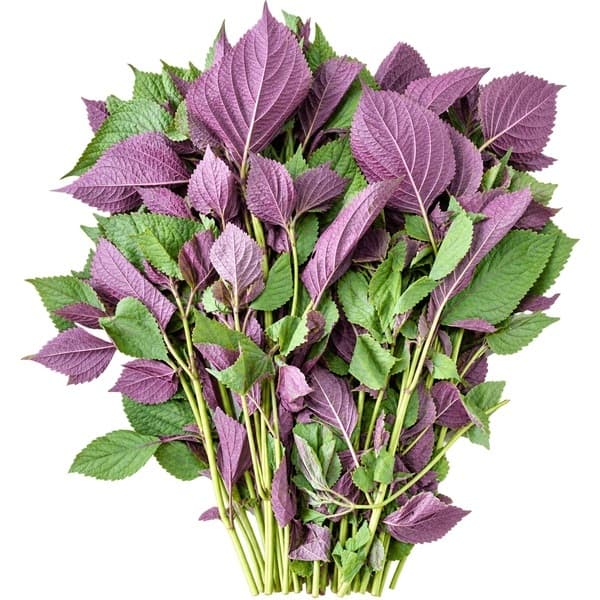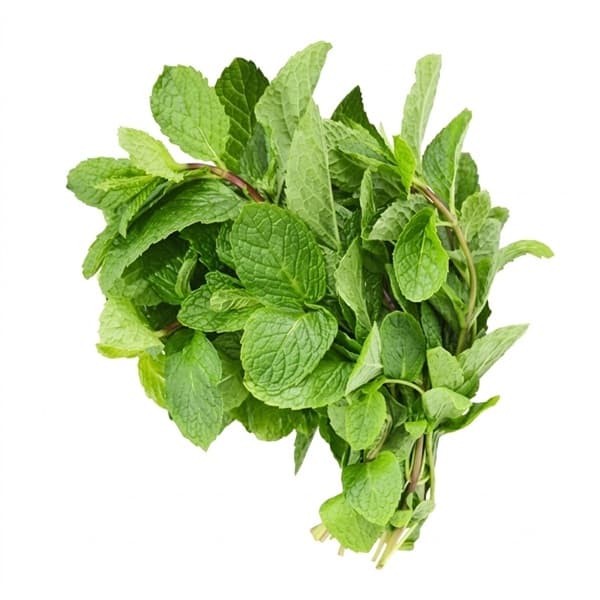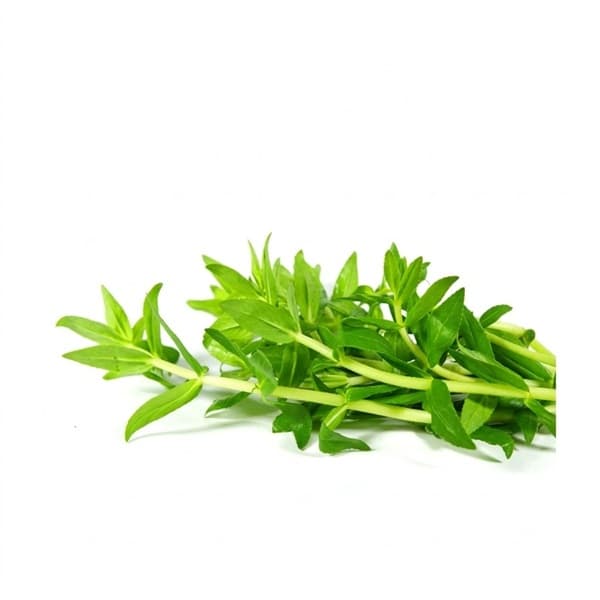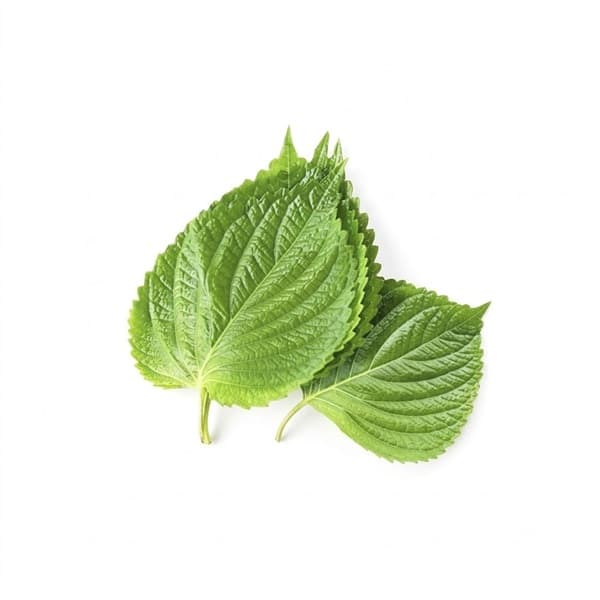

Fish Mint is an aromatic herb belonging to the Saururaceae family, scientifically known as Houttuynia cordata. It is native to East and Southeast Asia and is widely cultivated and used in Vietnam and other Asian countries. Fish mint commonly grows in moist environments and has soft stems, heart-shaped leaves, and a distinctive aroma. It is commonly used as a fresh herb and accompaniment in a variety of dishes.
Distinctive Characteristics
The leaves are heart-shaped with pointed tips, a relatively soft surface, and clearly visible veins.
The leaves are naturally green and may develop reddish or purplish tones on the underside or around the stems depending on the variety and growing conditions.
The stems are soft and succulent, with a trailing growth habit and the ability to develop roots from stem nodes.
The plant grows well in moist soil and areas with high humidity or near water sources.
Good-quality fish mint has fresh, intact green leaves and moderately firm stems, with no signs of yellowing, bruising, waterlogging, pest damage, or mold.
Leaf size, color, and aroma intensity may vary depending on the variety, growing conditions, and maturity.
Flavor & Texture
Fish mint has a distinctive, pronounced aroma and a fresh sensation when eaten. Its flavor can be mildly sour and slightly spicy, with a characteristic aftertaste. The leaves are soft, succulent, and slightly crisp when fresh, while the tender stems are also soft and water-rich.
Uses & Applications
Fresh consumption: eaten directly or served as a fresh herb with everyday dishes.
Fresh accompaniment: served with rice noodles, pho, Vietnamese savory pancakes, rice vermicelli, grilled meats, and various other dishes.
Wraps: used in fresh spring rolls, rice-paper rolls, and other wraps with meat, shrimp, fish, or vegetables.
Salads & mixed dishes: combined with other fresh herbs, vegetables, and ingredients to create a distinctive flavor.
Juices & beverages: fresh leaves can be used to prepare juices or combined with other ingredients in beverages.
Food decoration: used whole or chopped to add color and aroma to dishes.
Preparation: can be used as whole sprigs or separated into leaves, then washed and served fresh or chopped depending on the intended use.
Nutritionally, fish mint provides dietary fiber, vitamins A and C, folate, various minerals, and naturally occurring plant compounds. Nutritional composition may vary depending on the variety, growing conditions, maturity, and storage conditions.